Column · @josuenhck026
Fotona Laser Treatments Encino, CA: Your Path to Skin Revitalization
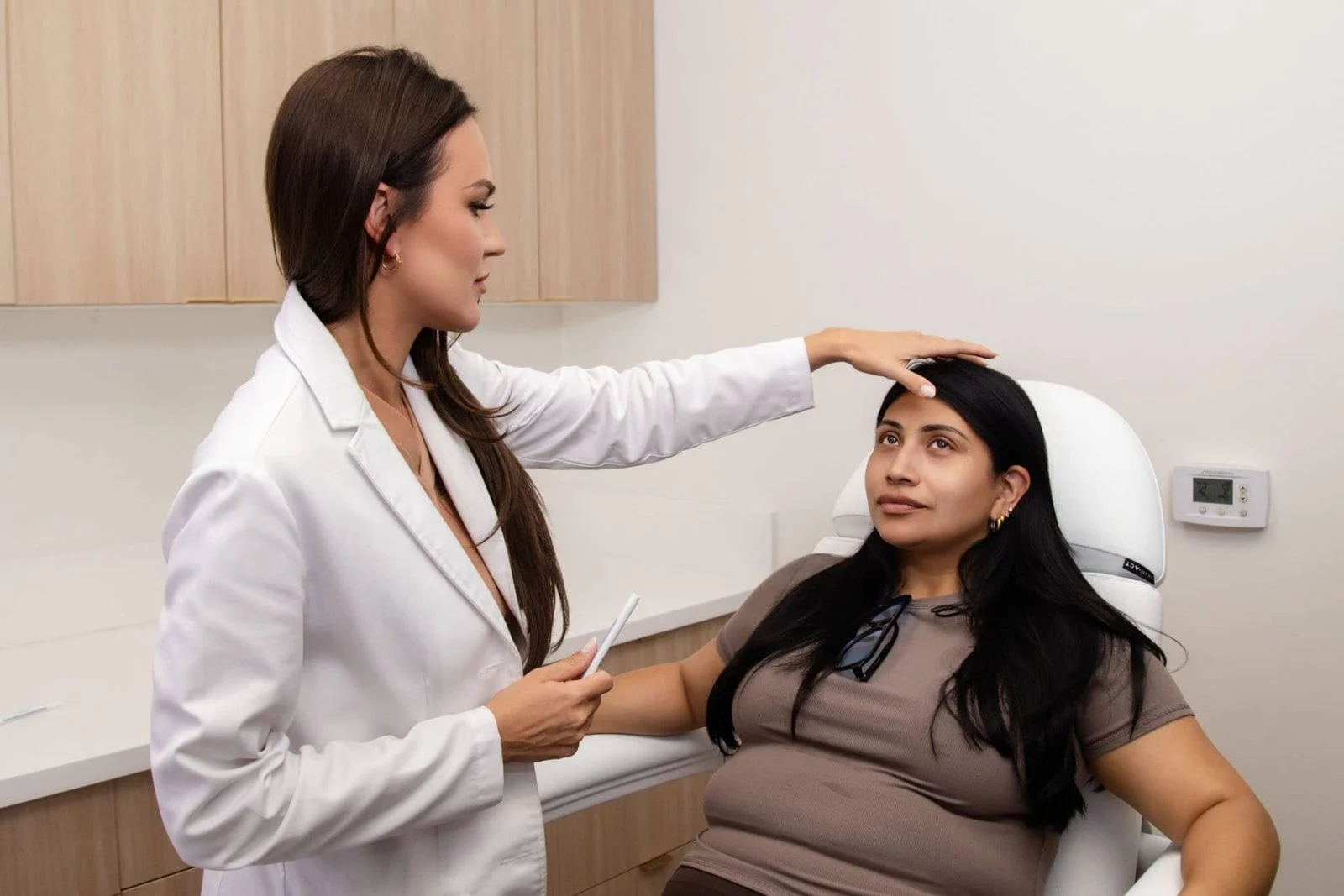
Skin rejuvenation is one of those categories where the details matter more than the headline. Two people can both say they want smoother, firmer, brighter skin and mean entirely different things. One may be trying to soften early lines around the mouth. Another may be dealing with acne scarring that catches the light in every photo. Someone else may be frustrated by redness, laxity along the jawline, or under-eye crepiness that makeup only seems to emphasize.
That is why Fotona laser treatments have drawn so much attention in practices that focus on customization rather than one-size-fits-all protocols. In Encino, where patients often want visible improvement without looking overdone or disappearing from work for two weeks, Fotona has become a practical option because it can be adjusted to suit a wide range of skin goals and recovery preferences. It is not magic, and it is not right for every concern, but in experienced hands it can be a very versatile platform for skin revitalization.
What makes the conversation useful is not simply whether a laser is “good.” It is whether it matches the problem in front of you, your skin type, your tolerance for downtime, and your willingness to commit to a series when a single session will not do enough. That is the lens worth using when you evaluate Fotona laser treatments in Encino, CA.
Why Fotona stands out in aesthetic medicine
Fotona is not a single treatment in the way many patients first assume. It is a laser platform with different wavelengths and treatment modes that can be used for resurfacing, tightening, texture refinement, pigmentation concerns, vascular visibility in some contexts, and even noninvasive approaches to areas that are difficult to treat with creams alone. The real value is flexibility.
In practice, that flexibility matters because skin concerns rarely arrive one at a time. A patient may come in focused on laugh lines, but the larger issue is often a combination of textural roughness, mild laxity, thinning skin around the eyes, and sun-related changes that flatten the skin’s glow. A rigid device designed for a single purpose might address one layer of the problem. A multi-application laser system gives the provider more room to design a plan.
Fotona is often discussed in connection with treatments such as fractional resurfacing, collagen stimulation, nonablative rejuvenation, and multi-step facial protocols like Fotona 4D. Depending on the device and handpiece being used, the treatment may target superficial irregularities, deeper dermal heating, or both. That distinction is important because patients usually care about two things at once: how much improvement they can expect, and how much downtime they will have to accept to get it.
The better the intended result, the more thoughtfully those trade-offs need to be managed.
What Fotona laser treatments can address
A broad laser platform becomes useful when it can handle concerns that tend to overlap in real life. In an Encino aesthetic setting, the most common reasons patients ask about Fotona involve visible aging and cumulative sun exposure. Fine lines are obvious targets, but texture is often what makes skin look tired first. When the surface starts to appear uneven, pores look larger, makeup settles, and the overall complexion loses that smoother, more reflective quality associated with healthier skin.
Fotona treatments are often used for concerns such as fine lines, mild to moderate skin laxity, uneven texture, acne scarring, enlarged pores, and certain signs of photodamage. Around the eyes and mouth, where skin is thinner and movement is constant, carefully selected settings can help stimulate collagen without the invasiveness of surgery. Some protocols are also used to improve skin tone and overall firmness in a way that looks gradual and believable rather than abrupt.
That gradualism is part of the appeal. Many patients do not want to look “treated.” They want to look more rested, less worn down, and more even. Lasers that support collagen remodeling over time tend to fit that goal well.
Still, expectations need to stay realistic. A laser can improve crepey lower eyelid skin, but it will not replace blepharoplasty in someone with significant hooding or protruding fat pads. It can soften acne scars, but deep ice-pick scars may need combination treatment with other modalities. It can tighten to a degree, but it is not a substitute for a surgical lift when laxity is advanced. The best providers are usually very direct about these distinctions, and patients are better off when they hear them early.
The Encino factor: lifestyle, sun exposure, and practical expectations
There is a reason certain aesthetic treatments become especially popular in Southern California. The climate, the social pace, and the level of day-to-day sun exposure all shape what patients seek. In Encino, many people spend enough time driving, walking, dining outdoors, exercising outside, or simply living in bright light that skin changes are not abstract. They show up slowly, then all at once.
Sun exposure does not just create pigment issues. Over time it contributes to collagen breakdown, roughness, laxity, and an overall dulling of skin quality. Patients often come in saying they feel they look older than they expected for their age, but when you listen closely, what they are describing is cumulative environmental wear. That is one area where laser rejuvenation can make sense, especially when paired with a stronger home care routine and more disciplined sun protection.
Encino patients also tend to ask practical questions first. How red will I be? Can I go back to meetings? Will I need makeup for a week? Can I work out? This is where Fotona’s range becomes helpful. Some settings and protocols are associated with minimal downtime, which makes them easier to fit into a normal schedule. Others are more intensive and may involve a few days of redness, sensitivity, and visible healing. The right answer depends on the result being pursued.
A patient preparing for a wedding in six weeks may choose a lower-downtime series rather than one stronger resurfacing session. Someone more concerned with long-term texture improvement than immediate social recovery may prefer a more assertive treatment plan. Neither approach is inherently better. They simply reflect different priorities.
How treatment planning usually works
A good consultation for Fotona laser treatments should feel less like a sales pitch and more like a diagnostic conversation. The provider needs to assess your skin type, your primary complaint, your secondary concerns, your history with pigmentation, any prior procedures, current skincare products, and whether you are prone to cold sores, prolonged redness, or post-inflammatory hyperpigmentation. Those details are not paperwork trivia. They shape the treatment plan.
In many cases, a patient arrives asking for one branded protocol after seeing a before-and-after image online. That is understandable, but experienced clinicians often redirect the discussion toward anatomy and skin behavior. If your main issue is lower-face heaviness, a treatment focused on superficial brightness will leave you underwhelmed. If your skin is reactive and prone to lingering inflammation, an aggressive resurfacing approach may create more trouble than benefit.
This is also the point where budget and maintenance should be discussed honestly. Laser rejuvenation often works best as a process, not a one-time event. Some people do beautifully with a treatment series followed by maintenance every few months or once or twice a year. Others prefer to combine fewer laser sessions with injectables, microneedling, or medical-grade skincare. A well-run practice will talk through those options rather than pushing a single path.
What a Fotona session may feel like
Patient perception of laser discomfort varies widely, and the internet does not always help because one person’s “totally painless” is another person’s “never again.” The most accurate answer is that Fotona sessions can range from comfortably warm to noticeably spicy, depending on the settings, the area treated, and whether the treatment is nonablative or more resurfacing-focused.
Some sessions feel like repeated snaps of heat with a warming buildup. Others create a prickling sensation followed by lingering warmth, similar to a stronger version of a hot facial. Around sensitive areas, especially near the upper lip or lower eyelids, people tend to feel more intensity. Topical numbing may or may not be used depending on the protocol. Eye protection is essential, and the room setup is usually straightforward and clinical rather than dramatic.
Immediately afterward, the skin may look flushed and feel warm, almost like a moderate sun exposure or windburn. With gentler settings, that may settle within hours to a day. With more intensive resurfacing, redness and swelling can last longer, and the skin may feel rough or bronzed before it sheds. This is where patient education matters. Some people panic when they see the healing phase if they were not prepared for it. The reaction may be normal, but it still needs to be anticipated and monitored.
Understanding downtime without sugarcoating it
“Minimal downtime” is one of the most overused phrases in aesthetics. It often means the downtime is manageable, not invisible. That difference matters, especially if you have an office job, frequent social events, or you simply do not like people asking what you had done.
With certain Fotona laser treatments, downtime may amount to temporary pinkness and a feeling of dryness or tightness. Makeup might be possible the next day, assuming the provider clears it. With stronger treatments, you may experience swelling, heat, redness, and a sandpaper-like texture as the skin heals. For some patients, the rough phase is the most bothersome part because it does not always look dramatic enough to justify staying home, yet it can be difficult to conceal cleanly.
That is why timing is important. Fotona Laser Treatments Encino, CA A laser treatment booked three days before a major event is often a bad idea, even if the office says the average recovery is short. Average does not guarantee your timeline. If you have a history of sensitivity, rosacea, hyperpigmentation, or prolonged redness, conservative scheduling is wise.
Common Fotona approaches patients ask about
Brand names and protocol names can create confusion because patients often hear them before they understand the underlying treatment goals. Fotona 4D is probably one of the better-known examples, often described as a multi-dimensional rejuvenation approach that addresses different tissue layers. It is popular because it targets multiple aspects of aging in one session or treatment sequence, including tightening, volumizing support, and surface refinement.
Another group of treatments may focus more on resurfacing and texture. These can be appealing for patients with acne scarring, rough skin, or visible sun damage who want sharper improvement. Then there are specialized applications around delicate areas, such as the eyes or perioral region, where collagen support can make a visible difference over time.
The key point is that names are shorthand. What matters more is the actual plan being proposed for your skin, the intensity level, the number of sessions expected, and how recovery is likely to unfold in your case.
Who tends to be a good candidate
The strongest candidates are usually those with realistic goals, a willingness to follow aftercare instructions, and concerns that fit the strengths of laser-based collagen remodeling and resurfacing. Mild to moderate signs of aging often respond better than advanced structural sagging. Texture and early laxity are commonly rewarding targets. Patients who understand that improvement may unfold over several weeks to months also tend to be more satisfied than those expecting overnight transformation.
A few factors deserve closer screening because they can influence safety or outcomes:
- recent sun exposure or active tanning
- a history of melasma or post-inflammatory hyperpigmentation
- active acne, infection, or inflammatory skin flares
- use of sensitizing skincare products or certain medications
- expectations that would be better met with surgery or a different device
These are not automatic disqualifiers in every case, but they do change how cautiously treatment should be approached.
The role of skin tone and risk management
One of the most important parts of laser planning is how the provider evaluates skin tone and pigment behavior. Not all lasers are equally forgiving across all skin types, and not all treatment settings should be used the same way on every patient. When pigment cells are more reactive, the risk of post-treatment darkening becomes more relevant, especially if the skin is exposed to sun too soon or pushed too aggressively.
This does not mean patients with medium or deeper skin tones cannot benefit from Fotona laser treatments. It means the plan must be individualized. Sometimes a clinician will recommend more conservative settings, a staged approach, test spots, or pre-treatment skincare aimed at reducing inflammation and stabilizing pigment activity. A careful provider is not being overly cautious. They are protecting your outcome.
In real-world practice, some of the hardest cases are not the deeply damaged ones. They are the impatient ones. A patient who wants maximum intensity despite a clear pigment risk can create a problem that takes far longer to correct than the original issue. Good laser medicine is partly technical skill and partly judgment.
What aftercare actually demands
Aftercare is where a decent result can become a strong one, or where an avoidable setback can occur. Laser-treated skin is more vulnerable during the healing period, and the basics are not negotiable. Gentle cleansing, barrier support, strict sun protection, and avoiding heat-heavy triggers for a few days can make a meaningful difference.
For most patients, the first several days after treatment are less about doing more and more about not interfering. That means resisting exfoliants, retinoids, acids, vigorous exercise if the provider advises against it, and any urge to pick or scrub shedding skin. The recovery window is not the moment to “help” your skin along with extra products.
Patients who do well after laser treatments usually keep the routine boring on purpose. They use what they were told to use, protect the skin from sun, and let the healing process run its course. It sounds simple, but that discipline matters.
How many sessions are usually needed
The honest answer is that it depends on the issue being treated and the intensity of each session. For mild rejuvenation goals, a series of several treatments spaced weeks apart is common. For more substantial resurfacing, fewer sessions may be needed, but the recovery tends to be more noticeable. Acne scarring often requires patience because collagen remodeling is gradual and scar patterns vary widely in depth and shape.
This is one of the places where before-and-after photos can mislead patients. A dramatic photo does not tell you whether the person had one session or four, whether they also changed skincare, or whether the lighting and timing favored the result. A responsible consultation will frame likely improvement as a range, not a promise.
If you hear language that suggests every patient gets the same transformation on the same timeline, treat that as a warning sign.
Choosing a provider in Encino without getting distracted by marketing
The device matters, but the operator matters more. A sophisticated laser in inexperienced hands can underdeliver at best and create complications at worst. When evaluating providers for Fotona Laser Treatments Encino, CA, look past polished branding and focus on how the practice thinks.
You want someone who can explain why a specific Fotona protocol fits your concern, what alternatives they considered, what the likely recovery looks like for your skin, and what could limit the result. If they only discuss benefits and never mention boundaries, that is not reassuring. It usually means the consultation is sales-driven.
A strong consultation often includes nuanced answers to simple questions. If you ask whether your pigmentation will clear completely and they respond with “yes” immediately, be careful. If they explain that some discoloration may improve well while deeper or hormonally driven pigment can be more stubborn, that is the kind of realism worth paying for.
Here are a few signs of a thoughtful provider:
- they assess skin type, pigment history, and lifestyle before recommending settings
- they explain downtime in plain language rather than reducing it to a slogan
- they discuss alternatives if laser is not the best tool for your concern
- they provide clear pre-care and aftercare instructions
- they set outcome ranges instead of making sweeping guarantees
That sort of restraint usually reflects experience.
Cost, value, and the long view
Laser pricing varies by treatment type, area, provider expertise, and whether you are paying for a single session or a package. Cost is important, but value is the better metric. A cheaper treatment that is poorly selected or weakly performed is not a bargain. On the other hand, the most expensive plan is not automatically the smartest one either.
The right way to think about value is to ask what improvement matters most to you and what Fotona Laser Treatments Encino, CA level of maintenance you can realistically sustain. Some patients prefer a gradual, lower-downtime strategy with periodic upkeep. Others would rather tolerate a more intense recovery for stronger texture improvement up front. The better choice is the one you can actually follow through on.
It is also worth remembering that laser results are influenced by everything that happens around them. Daily sunscreen, a well-matched skincare regimen, smoking status, hormone shifts, and ongoing UV exposure all shape how long your gains last. Patients sometimes judge a treatment in isolation when the outcome is really a partnership between the procedure and their habits afterward.
When Fotona is a smart move, and when it is not
Fotona can be an excellent option for patients who want non-surgical skin revitalization with the possibility of tailoring intensity and treatment depth to specific concerns. It often makes sense for early to moderate signs of aging, textural issues, acne scarring, and patients who want meaningful improvement without stepping directly into surgery.
It is less compelling when the primary issue is severe laxity, heavy jowling, very deep static lines, or a structural concern better addressed by surgery, injectables, or another modality. It can also be the wrong move if the patient is unwilling to protect healing skin from the sun, cannot tolerate even short-term redness, or expects one session to reverse years of damage.
That may sound obvious, but this is where satisfaction is won or lost. The best aesthetic treatments are not the ones with the loudest reputation. They are the ones that fit the patient honestly.
For many people considering Fotona Laser Treatments Encino, CA, the appeal is straightforward: smoother skin, stronger collagen support, more even texture, and a fresher appearance that still looks like them. When the treatment plan is carefully chosen and the provider knows how to balance ambition with restraint, that goal is entirely reasonable. The path to skin revitalization is rarely about one flashy step. More often, it is about smart sequencing, disciplined aftercare, and choosing treatment that matches the reality of your skin rather than the fantasy of an advertisement.
OMNIA Wellness Center
Address: 16430 Ventura Blvd Ste 207, Encino, CA 91436
Phone number: +18183868511
FAQ About Fotona Laser Treatments Encino, CA
What is a Fotona laser good for?
A Fotona Laser system is a versatile, dual-wavelength medical laser used primarily for non-surgical skin tightening, anti-aging rejuvenation, and dermatological treatments.
How much does the Fotona laser cost?
The cost of a Fotona laser depends heavily on whether you are looking to purchase a laser machine for a medical practice or are a patient seeking a laser treatment at a medspa.
Is a Fotona laser worth it?
A Fotona laser treatment is generally worth it if you want non-surgical skin tightening, improved texture, and collagen stimulation with very little downtime.