Column · @josuenhck026
Fotona Laser Treatments Encino, CA: What Makes Them Worth Considering

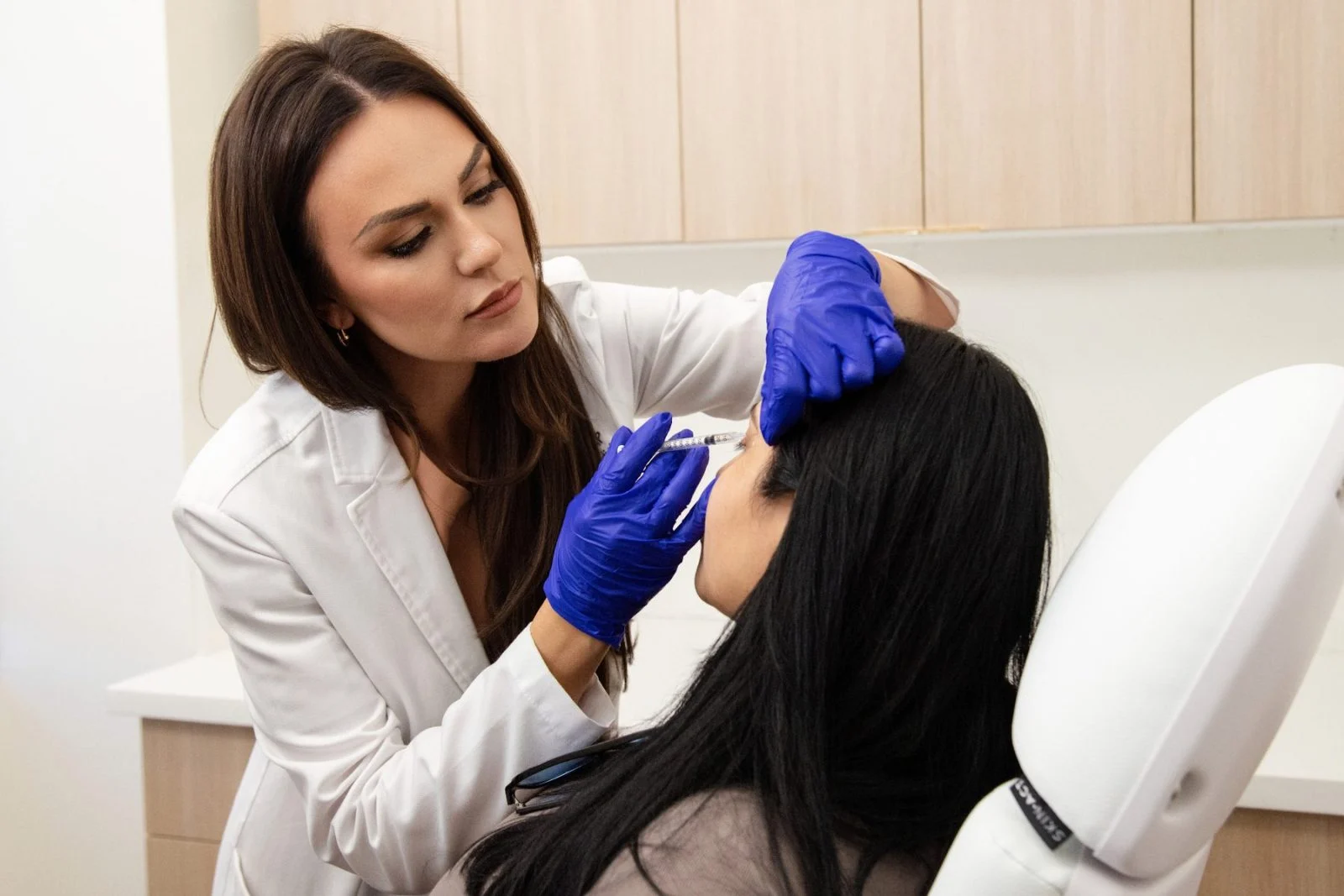
When people start looking into laser treatments, they usually arrive with a mix of curiosity and skepticism. That reaction is reasonable. A lot of aesthetic technology gets marketed with polished before-and-after images and broad promises, while the real questions are more practical. Does it work for the concern you actually have? How much downtime is involved? How uncomfortable is it? How many sessions does it really take? And perhaps most important, is it worth the cost compared with other options in a place like Encino, where aesthetic services are widely available and standards tend to be high?
Fotona laser treatments have earned attention for a simple reason: they are versatile without being one-size-fits-all. In experienced hands, they can address several common concerns, including skin laxity, textural irregularities, acne scarring, pigmentation issues, fine lines, vascular redness in some contexts, and even intimate wellness concerns. But the value of Fotona is not that it can do everything. The value is that it gives a skilled provider a flexible platform with multiple treatment modes, which allows care to be adjusted to skin type, tolerance, and goals.
That distinction matters. The best laser outcomes rarely come from a brand name alone. They come from matching the right setting, wavelength, depth, and treatment plan to the individual sitting in the chair.
Why Fotona stands out in a crowded market
Encino patients are not short on choices. Radiofrequency devices, microneedling systems, IPL platforms, fractional resurfacing lasers, and injectable treatments all compete for attention. Fotona holds its place because it bridges several categories well.
Rather than relying on a single approach, Fotona systems often combine erbium:YAG and Nd:YAG wavelengths. In plain terms, that gives providers more room to treat both superficial and deeper issues. One mode may focus on resurfacing the skin’s surface, while another targets deeper tissue heating for tightening or collagen remodeling. This matters because most cosmetic concerns are layered. A person with early jowling may also have textural roughness. Someone with acne scars may also have enlarged pores and uneven tone. A treatment system that can work at more than one depth can be genuinely useful.
That does not mean every patient needs a complex protocol. Sometimes a conservative, lighter treatment series is the smart choice, especially for people who want gradual improvement with less downtime. Other times, a more intensive resurfacing approach makes sense for deeper lines or longstanding scars. Fotona is worth considering because it can accommodate both ends of that spectrum.
The concerns patients in Encino most often bring to consultation
In an area like Encino, many patients are not chasing dramatic transformation. They are trying to look fresher, tighter, and more rested without appearing obviously treated. They often mention that makeup is not sitting well anymore, lower face heaviness is creeping in, or old acne scars are more noticeable in certain lighting. Sun exposure also plays a role. Southern California lifestyle habits, including outdoor exercise, driving, and years of cumulative UV exposure, show up in the skin over time.
For these patients, laser treatment becomes appealing when they realize they may not need surgery and may not want more filler. That is one of the lanes where Fotona can make sense. It can support collagen remodeling and improve surface quality at the same time, depending on the protocol used.
The keyword here is support. Laser treatment can improve, refine, and stimulate. It cannot replicate a surgical facelift, erase every pore, or permanently stop aging. Patients who understand that tend to be happier with their results and more satisfied with the investment.
What a Fotona treatment can actually help with
The phrase “laser treatment” gets used broadly, sometimes so broadly that patients assume every device handles every issue equally well. That is not the case. Fotona protocols are often used for a range of concerns, but the degree of benefit depends on the problem being treated, the severity, and the patient’s baseline skin condition.
A person with mild to moderate skin laxity, especially around the jawline or under the chin, may notice firmer-looking skin after a series of tightening treatments. Someone with fine crepey texture around the mouth or eyes may see smoother skin after resurfacing. Patients with acne scars often need a more layered treatment plan and patience, but meaningful improvement is possible. Vaginal rejuvenation and certain gynecologic wellness applications are also part of Fotona’s footprint in some practices, though those services should be discussed in detail with a properly trained medical provider.
There is also the question of acne. Some clinics use Fotona-associated protocols to help reduce active acne and inflammation. Results vary, and acne often needs a broader management plan that includes skin care, hormonal evaluation in some cases, and realistic maintenance. Laser can be part of the answer, but rarely the whole answer.
Why treatment customization matters more than the machine name
This is where many people make a costly mistake. They search for “Fotona Laser Treatments Encino, CA,” find a nearby office, and assume every practice using the same system offers roughly the same experience. In reality, skill level, treatment philosophy, and patient selection can vary widely.
One provider may take a conservative approach and build results over multiple lower-intensity sessions. Another may favor stronger treatment settings and more visible downtime to achieve more dramatic resurfacing. Neither is automatically better. The right choice depends on the patient’s skin type, schedule, pain tolerance, history of pigmentation, and desired result.
This is especially important for patients with medium to deep skin tones or those prone to post-inflammatory hyperpigmentation. Energy-based treatments can be safe and effective for many skin types, but only when settings are chosen carefully and the provider understands how to reduce risk. That includes pre-treatment skin conditioning in some cases, as well as clear aftercare.
A thoughtful consultation should feel specific, not scripted. If the discussion skips over your history of melasma, cold sores, isotretinoin use, recent sun exposure, or tendency to scar, that is a red flag. Good laser care is detail-oriented.
What the treatment experience is usually like
The patient experience depends heavily on which Fotona protocol is being used. A gentle tightening treatment can feel warm, prickly, or mildly snapping, with little visible aftermath beyond pinkness. A more aggressive resurfacing session is a different event entirely. It can involve topical numbing, stronger heat, pinpoint bleeding in some cases, and several days of redness or peeling.
Most patients tolerate nonablative tightening well. They often compare it to repeated pulses of heat with occasional sharper moments around thinner skin. Resurfacing with erbium-based settings tends to be more intense, but many patients still prefer it to older-generation ablative lasers because the downtime can be more manageable depending on depth and coverage.
Immediately after treatment, skin may look flushed and feel warm, almost like a moderate sunburn. Over the next few days, dryness, rough texture, bronzing, and mild swelling can occur. With stronger resurfacing, the social downtime may be several days to a week, sometimes longer for lingering redness. That is one reason consultation timing matters. Patients often do best when they are not trying to squeeze a meaningful laser session in two days before a wedding or work presentation.
The appeal of collagen remodeling, and the patience it requires
One of the most attractive aspects of Fotona treatments is collagen stimulation. People hear that phrase often, but they do not always hear the timeframe that goes with it. Collagen remodeling is not immediate in the way filler is immediate. Skin tightening and texture improvement usually unfold over weeks to months.
That delayed payoff can be frustrating for patients who expect a sudden overnight shift. It can also be rewarding for those who want subtle, progressive improvement that does not look abrupt. In practice, many people start to notice changes after a few weeks, with continued improvement over two to three months or more, depending on the treatment type and the body’s own response.
Age matters here, but not in the simplistic way marketing sometimes suggests. A patient in their late 30s with early laxity and good baseline collagen may respond faster than someone in their 60s with more advanced volume loss and sun damage. Lifestyle matters too. Smoking, chronic sun exposure, poor sleep, significant stress, and inconsistent skin care can all work against the gains made in the treatment room.
How Fotona compares with other common options
Patients often ask whether Fotona is “better” than microneedling, radiofrequency, IPL, or CO2 resurfacing. The honest answer is that it depends on what problem you are trying to solve.
Microneedling, especially with radiofrequency, can be excellent for acne scars and texture. IPL may be useful for certain pigment and redness concerns, though it is not the same as a laser resurfacing treatment. CO2 lasers can deliver dramatic resurfacing results, but downtime and recovery can be more significant. Ultrasound or radiofrequency skin tightening may fit someone who wants minimal downtime but can accept subtler improvements.
Fotona often sits in the sweet spot for patients who want meaningful improvement without automatically jumping to the most aggressive option. It can be gentler than some full-field resurfacing approaches while still producing visible change. It can also be Fotona Laser Treatments Encino, CA more sophisticated than entry-level “lunchtime laser” treatments that leave patients wondering why they spent the money.
That said, no device wins every comparison. If your primary concern is heavy lower-face sagging, you may get more meaningful improvement from surgery than from any laser. If your main issue is dynamic wrinkles from expression, neuromodulators may do more than resurfacing. If volume loss is the true problem, a tightening laser will not replace lost cheek structure. Good providers say this openly.
The trade-offs patients should understand before booking
Treatments become much easier to evaluate once the trade-offs are plain. Fotona can be impressive, but it is not effortless magic. Here are the realities most worth understanding:
- Better results usually require a series, not a single session.
- Stronger treatments bring more downtime and a higher need for careful aftercare.
- Maintenance matters, because skin continues to age after treatment.
- Results depend heavily on the provider’s judgment and settings.
- Not every concern responds equally well, especially advanced laxity or deep volume loss.
That list sounds obvious, but it is where expectations either stay grounded or drift into disappointment. The patients happiest with Fotona laser treatments tend to approach them as part of a broader skin strategy, not a one-time fix.
Cost, value, and what “worth it” really means
The worth of any aesthetic treatment is personal. Some patients value subtle improvements enough that even a gradual softening of lines and tighter skin texture feels absolutely worthwhile. Others spend the same amount and feel underwhelmed because they expected a larger shift.
Costs for Fotona Laser Treatments Encino, CA can vary widely depending on the area treated, the protocol, the provider’s expertise, and whether you are doing a package or a single session. Smaller or gentler treatments may be priced far differently from more advanced resurfacing sessions. Multi-session plans are common. It is sensible to ask for a realistic estimate not just of the first visit, but of the likely course of treatment over several months.
Value also depends on whether the office spends enough time on planning. A cheaper session is not cheaper if it is poorly chosen and produces little improvement. A more expensive treatment can still be cost-effective if it addresses multiple concerns at once and reduces the need for repeated lower-impact procedures.
One practical way to think about value is to ask what change would feel meaningful to you. If you want your acne scars softened by 20 to 30 percent and your pores to look a bit more refined, that may be achievable and worth the investment. If you want complete erasure of long-standing scarring, you are likely setting yourself up for frustration, no matter the device.
Encino-specific considerations that make consultations important
Encino patients often have busy schedules, frequent sun exposure, and high visual expectations. Those factors shape treatment planning more than people realize. If you spend weekends hiking or playing tennis, your provider needs to address sun avoidance and post-treatment protection seriously. Freshly treated skin and intense California sun do not mix well.
The social aspect matters too. Some patients can tolerate a week of visible redness and peeling because they work from home or can adjust their calendar. Others need treatments that allow them to be presentable by the next day. Neither preference is wrong. It just changes the protocol.
Another point worth noting is that many patients in the area already use Botox, filler, prescription retinoids, hydroquinone, or regular facials. Those details affect timing and safety. A responsible office will ask about all of it. Combining treatments can be very effective, but sequencing matters. For example, skin barrier irritation from overuse of actives can make a laser session more uncomfortable and may increase recovery time.
What a strong consultation should include
A useful laser consultation is part medical review, part strategic planning session. It should Fotona Laser Treatments Encino, CA not feel like a rushed sales pitch. At minimum, the discussion should cover your skin history, current products, recent tanning or sun exposure, history of melasma or hyperpigmentation, medications, prior procedures, and healing tendencies.
It should also cover the less glamorous details that drive satisfaction: how red you will be, whether makeup will sit poorly for a few days, how many sessions may be needed, and what kind of maintenance is likely after the initial series. Patients appreciate honesty. A provider who says, “I think we can improve this, but your deeper etched lines will still be there,” is often far more trustworthy than one who promises dramatic change.
If you are evaluating a clinic offering Fotona Laser Treatments Encino, CA, these questions are worth asking during consultation:
- Which Fotona protocol do you recommend for my specific concern, and why?
- How many sessions do patients like me usually need before results are noticeable?
- What downtime should I realistically expect with the settings you plan to use?
- What risks matter most for my skin tone and history?
- If my concern does not respond enough, what would the next best option be?
Those questions quickly reveal whether a provider is thinking clinically or just selling a treatment slot.
Recovery habits that make a real difference
The quality of the recovery period often affects results more than patients expect. Post-treatment skin is temporarily more vulnerable, and simple mistakes can slow healing. Heavy exercise too soon, picking at flaking skin, using active products before the barrier is ready, or getting casual incidental sun exposure during errands can all complicate recovery.
Gentle cleansing, bland moisturization, and diligent sun protection are not glamorous advice, but they matter. If a provider gives elaborate treatment recommendations and then shrugs through aftercare instructions, that imbalance should concern you. Recovery is part of treatment.
Patients with a history of cold sores should also mention it, especially if treatment is planned around the mouth. In some cases, preventive medication may be appropriate. Again, this is where individualized medical oversight matters.
Who tends to be happiest with Fotona
The best candidates are usually people with clear goals and flexible expectations. They want visible improvement, not fantasy. They understand that collagen takes time, that more dramatic results often come with more downtime, and that maintenance is part of the deal.
Patients often do especially well when they have mild to moderate signs of aging, textural concerns, or acne scarring they want to improve without jumping straight to surgery. They also tend to be happy when they are willing to pair laser treatment with good skin care and sun discipline. A laser can do a great deal, but it cannot overcome chronic neglect.
By contrast, patients who are deeply impatient, unwilling to protect their skin from the sun, or determined to get surgical-level lifting from a non-surgical device are less likely to feel satisfied. That is not a failure of the technology. It is a mismatch between the tool and the goal.
Where Fotona fits in a broader treatment plan
One of the strongest arguments for Fotona is not that it replaces every other treatment, but that it can fit thoughtfully into a larger aesthetic plan. A patient may use neuromodulators for forehead lines, selective filler for structural support, medical-grade skin care for pigment control, and Fotona for texture and tightening. That kind of layering tends to produce the most natural-looking outcomes because each tool is doing the job it handles best.
A well-run practice will tell you when laser is the lead treatment and when it is the supporting treatment. For acne scars, for instance, Fotona may be one piece of a plan that could also involve subcision, chemical peels, or microneedling depending on scar type. For facial aging, it may complement injectables rather than replace them. Precision like that is what makes treatment feel worth considering rather than merely trendy.
For patients researching Fotona Laser Treatments Encino, CA, that is the real takeaway. The technology is compelling not because it promises everything, but because it offers a flexible and clinically useful range of options when matched to the right patient, the right provider, and the right expectations. In the hands of someone experienced, it can produce refined, natural improvements that are difficult to fake with skin care alone. That does not make it the answer for everyone. It does make it a treatment worth serious consideration if your goals line up with what it actually does well.
OMNIA Wellness Center
Address: 16430 Ventura Blvd Ste 207, Encino, CA 91436
Phone number: +18183868511
FAQ About Fotona Laser Treatments Encino, CA
What is a Fotona laser good for?
A Fotona Laser system is a versatile, dual-wavelength medical laser used primarily for non-surgical skin tightening, anti-aging rejuvenation, and dermatological treatments.
How much does the Fotona laser cost?
The cost of a Fotona laser depends heavily on whether you are looking to purchase a laser machine for a medical practice or are a patient seeking a laser treatment at a medspa.
Is a Fotona laser worth it?
A Fotona laser treatment is generally worth it if you want non-surgical skin tightening, improved texture, and collagen stimulation with very little downtime.