Column · @josuenhck026
Fotona 4D Laser Facial (TimeWalker) Recovery: What You Should Know

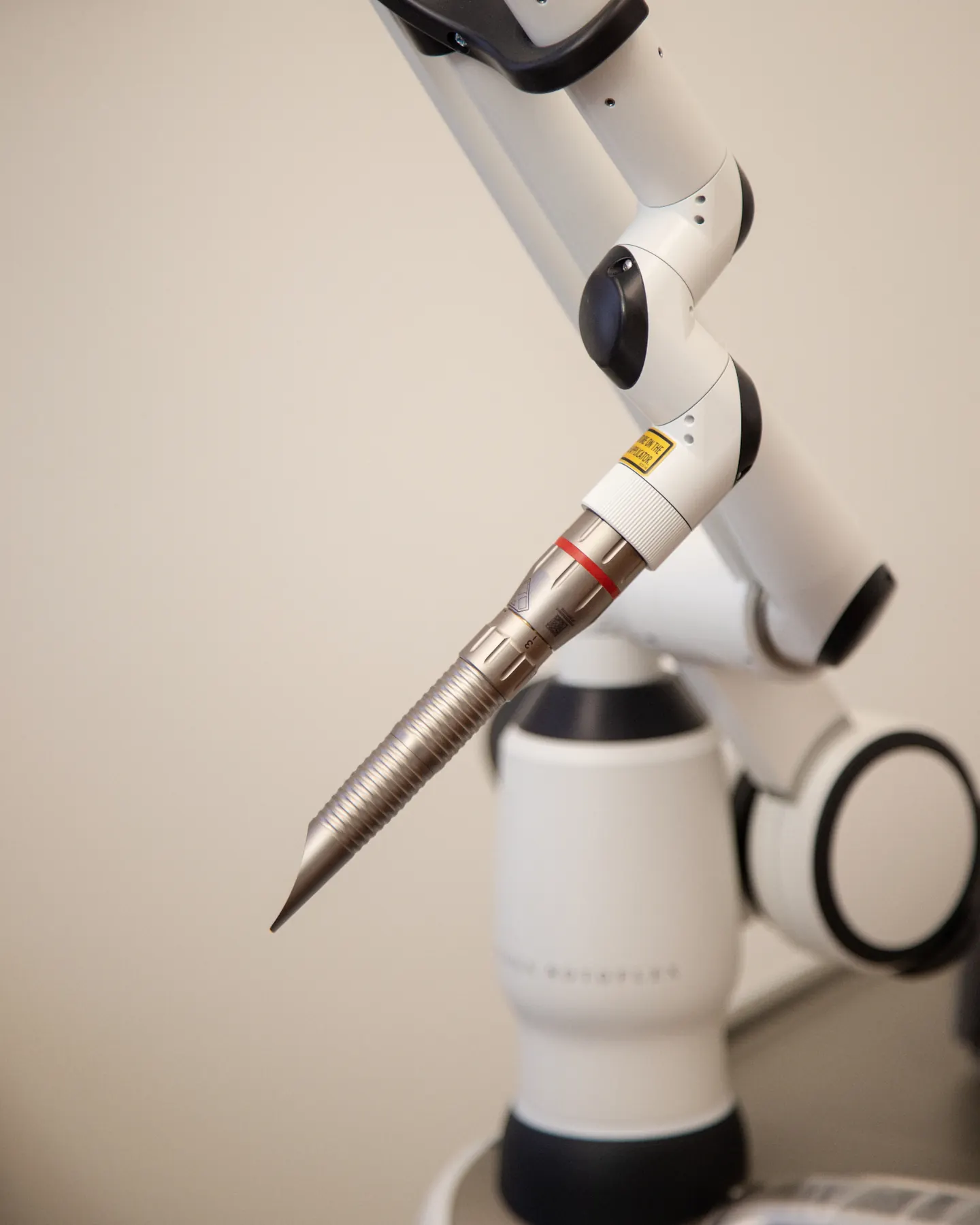
The recovery period after a Fotona 4D Laser Facial (TimeWalker) is usually easier than people expect, but that does not mean it is nothing. Most patients walk out looking a little flushed, a little warm, and mildly puffy, then feel surprised that the skin keeps changing over the next several days. That is the part worth understanding.
This treatment sits in an interesting middle ground. It is more active than a basic facial and often more layered than many people realize, yet it is still far gentler than fully ablative laser resurfacing. Because of that, recovery can feel deceptively simple. You may not be in pain, but you still need to respect the healing process if you want the best result and the lowest risk of irritation, prolonged redness, or post treatment breakouts.
People often ask one practical question first: “How much downtime should I plan for?” The honest answer is that most people can return to normal social and work activities quickly, often the same day or the next day, but “back to normal” is not the same as “skin looks untouched.” There is usually a visible healing phase, even if it is brief Fotona 4D Laser Facial (TimeWalker) and manageable.
What recovery from a Fotona 4D Laser Facial (TimeWalker) actually feels like
The name sounds singular, but the treatment itself is multi step. Depending on how your provider performs it, Fotona 4D can involve different laser modes designed to target deeper tissue, surface texture, and overall skin quality. TimeWalker protocols may also vary by clinic, settings, and treatment goals. That means recovery is not identical for everyone.
A patient treated conservatively for maintenance before an event may have only mild redness for a few hours. Someone treated more aggressively for texture, pores, early laxity, or acne scarring may notice swelling, heat, and a rough sandpapery feel for a few days. The machine matters, but the settings and the operator matter just as much.
Most patients describe the immediate post treatment feeling as similar to a moderate sun exposure. The skin feels warm and tight. Around the mouth and cheeks, especially if intraoral tightening was part of the treatment, there can be a distinct sense of firmness or internal tenderness. It is usually not painful in the dramatic sense, but it can be uncomfortable enough that you do not want to rub your face, apply active products, or sit in a hot car.
One common surprise is delayed roughness. Right after treatment, the skin may simply look pink and shiny. By the next day, it can feel dry, gritty, or subtly bronzed. That texture is part of the turnover process. Patients who panic at this stage often make the mistake of scrubbing, exfoliating, or layering on too many products. That usually prolongs irritation rather than helping.
Why downtime varies so much
When one person says they had “zero downtime” and another says they were red for four days, both can be telling the truth. The difference usually comes down to treatment intensity, skin sensitivity, and what exactly was being targeted.
Someone with reactive skin, rosacea tendencies, or a history of lingering redness may stay pink longer than average, even with gentle settings. A person with oily, resilient skin may calm down much faster. Deeper corrective passes for collagen remodeling generally ask more of the skin than a light glow treatment. If the provider stacks modalities or treats delicate areas aggressively, that can change the aftercare experience substantially.
Season and environment play a role too. Recovery tends to feel easier in moderate weather. In dry winter air, skin can feel tighter and flakier. In hot weather, swelling and flushing can hang on longer, especially if you exercise outdoors or spend time in direct sun too soon. Even indoor factors matter. I have seen patients do beautifully until they spend an evening under a blasting heater or go straight back to a sweaty workout class.
The first 24 hours
The first day is mostly about calming the skin and staying out of its way. Redness is normal. Mild swelling, especially around the eyes or along the cheekbones, is also common. Some patients notice a warm pulsing sensation for a few hours after treatment. That usually fades on its own.
Your skin barrier is temporarily more vulnerable during this window. The safest approach is usually a bland moisturizer, sun protection once the skin has settled enough for application, and very gentle cleansing. If your provider gave you a post laser cream, use that rather than improvising with a cabinet full of actives.
Makeup is one of those gray areas people always want turned into a yes or no answer. In practice, it depends on how irritated the skin is and what your provider recommends. Some patients can apply mineral makeup the next day without issue. Others do better waiting longer, particularly if the treatment was strong or the skin feels raw. If makeup stings, catches on rough patches, or needs a lot of rubbing to remove, it is too soon.
Heat is the hidden enemy in the first day. Hot showers, saunas, hard workouts, steamy kitchens, and alcohol can all increase flushing. It is not that one glass of wine will ruin the result, but when patients call because they became dramatically red again the evening after treatment, there is often a predictable trigger behind it.
What usually happens over the next week
Recovery after a Fotona 4D Laser Facial (TimeWalker) tends to follow a recognizable pattern, even though the exact timing varies.
- Day 0 to 1: redness, warmth, mild swelling, and skin tightness are most noticeable.
- Day 2 to 3: redness settles, but dryness or a rough texture often becomes more obvious.
- Day 3 to 5: some people develop faint bronzing, tiny flakes, or a sandpapery feel.
- Day 5 to 7: the skin usually looks calmer, smoother, and more even, though sensitive skin may still be slightly pink.
- Week 2 onward: collagen related improvements are subtle at first and continue to develop gradually over time.
That last point matters. The early “glow” people notice is not the whole result. Part of the benefit is immediate, because smoother superficial skin reflects light better. Another part is delayed, because collagen remodeling is not something you can force in 48 hours. Patients who judge the entire treatment by how they look on day three are usually looking too early.
The aftercare mistakes that most often derail recovery
The majority of recovery problems after non ablative laser treatments do not come from the laser itself. They come from what happens afterward. People feel fine, assume their skin is fine, and jump back into a strong skincare routine before the barrier has recovered.
The most common mistake is using active ingredients too soon. Retinoids, exfoliating acids, benzoyl peroxide, strong vitamin C serums, and acne pads are frequent offenders. Even products a patient uses every day without issue can burn or trigger a rash on freshly treated skin. If your provider gives a timeline, follow it. If not, err on the conservative side and restart slowly.
Another common mistake is over cleansing. After laser treatments, patients sometimes wash more often because they feel greasy, flaky, or “dirty.” In reality, frequent washing and rubbing usually worsens the tightness. A gentle cleanser used with lukewarm water is almost always enough.
Sun exposure is the big one, especially if you are prone to pigmentation. You do not need a beach day to create trouble. Incidental exposure, sitting by a bright window, driving in direct afternoon sun, or walking outside unprotected can all keep redness active and increase the risk of uneven pigment in susceptible skin types.
Then there is picking. Tiny rough patches can be hard to ignore, especially around the nose and mouth. Patients who pick at flakes often turn a short recovery into a longer one. Skin heals in layers. If you remove what is not ready to shed, you can end up with prolonged redness or even marks that linger longer than the treatment irritation would have.
A practical recovery routine
Most patients do best with a simple, boring routine for several days. That sounds underwhelming, but it works.
- Cleanse gently with a mild, non exfoliating cleanser and lukewarm water.
- Moisturize consistently with a bland barrier supporting cream, especially if the skin feels tight.
- Protect from UV exposure using a gentle broad spectrum sunscreen once the skin tolerates it.
- Pause active skincare until redness, stinging, and roughness have substantially settled.
- Avoid excess heat and friction from workouts, scrubs, tight masks, or harsh towels.
There is a reason experienced clinicians repeat these same basics over and over. Fancy serums do not speed laser recovery nearly as reliably as barrier protection, patience, and sun avoidance.
What is normal, and what is not
Some degree of redness, dryness, sensitivity, and swelling is normal. Mild itchiness can happen as the skin repairs itself. A rough texture is common, and temporary breakouts are not unheard of, especially in patients who are acne prone or who use occlusive products during healing.
What should make you contact your provider is anything that feels out of proportion. Increasing pain rather than gradual improvement is not typical. Significant blistering, crusting, pus, severe swelling, widespread rash, or redness that keeps intensifying rather than easing deserves prompt review. If you have a history of cold sores and the mouth area was treated, any signs of an outbreak should be addressed quickly.
Pigment concerns deserve special mention. Not everyone is equally at risk, but post inflammatory hyperpigmentation is a real possibility, particularly in darker skin tones or in patients who have had pigment issues after heat based treatments before. This is where pre treatment planning matters. The right candidate can still do very well, but the provider needs good judgment, and the patient needs careful aftercare.
Social downtime versus true healing time
Clinics sometimes talk about “minimal downtime,” which is fair, but the phrase can create unrealistic expectations. Social downtime and biological healing are not the same thing.
Social downtime means when you can reasonably go to work, run errands, or meet people without feeling self conscious. For many patients, that is within a day or two, sometimes even immediately. Biological healing refers to when the skin barrier has normalized and the deeper remodeling process has settled into its longer timeline. That takes longer.
This distinction matters because many patients base their plans around a wedding, photo shoot, or business event. If you only need to look generally presentable, a week is often comfortable. If you want the skin to look settled, polished, and predictably calm, giving yourself more lead time is smarter. In practice, I usually think of two to four weeks before a major event as a safer cushion for most resurfacing style treatments, though exact timing depends on settings and your own history.
The inside of the mouth component
One aspect of Fotona 4D that catches some people off guard is the intraoral portion, if that is included in your protocol. This part targets tissue from inside the mouth to support tightening around the perioral area. Recovery there is usually straightforward, but it feels different from a standard facial treatment.
You might notice tenderness inside the cheeks, a sense of tightness when opening the mouth wide, or mild sensitivity with spicy or acidic foods for a short period. Most of the time this is mild and brief. Still, if you are the type who already gets canker sores or has a sensitive oral mucosa, mention it ahead of time. A good provider will factor that into planning and aftercare instructions.
When results show up, and why patience matters
The immediate post treatment glow gets a lot of attention because it is visible and gratifying. Skin can look plumper and smoother once the initial redness settles. But the more meaningful changes, such as improved texture, softening of fine lines, and a firmer quality to the skin, often emerge gradually over several weeks.
This is where expectations need calibration. A Fotona 4D Laser Facial (TimeWalker) is not a facelift, and it does not behave like injectables. It works through controlled thermal stimulation and progressive tissue response. That means results are cumulative and often improve across a series, especially when the goal is collagen support rather than a one time brightening effect.
Patients who are happiest tend to understand this from the start. They do not stare at the mirror on day two looking for structural change. They judge the treatment over a longer arc, usually a month or more, and they maintain results with sensible intervals rather than expecting one session to do everything.
Skin type, age, and treatment goals all shape recovery
A patient in their thirties treating early textural changes may recover differently from someone in their sixties treating laxity, etched lines, and diffuse sun damage. Younger skin often rebounds faster, but that is not a hard rule. Lifestyle, underlying inflammation, smoking history, sun exposure, and general barrier health all matter.
Skin type also influences how recovery presents. Fair skin may show more visible redness. Darker skin may show less obvious redness but still feel heat, tightness, and sensitivity. Acne prone patients sometimes go through a short purge or breakout phase, particularly if post care products are too heavy. Patients with rosacea can look excellent after the full healing phase, but they often need a more cautious treatment approach and stricter heat avoidance during recovery.
This is why a good consultation is not just about whether the treatment sounds appealing. It is about whether the chosen settings match the skin in front of the clinician.
Planning around work, exercise, and events
If you have a normal office based routine, many people can schedule treatment late in the day and work the next morning with no major issue. If your job involves heat, sun, physical exertion, or public facing appearances under bright lighting, it is worth allowing extra flexibility.
Exercise is another point where practical advice beats generic advice. A light walk is very different from a hot yoga class or a heavy lifting session that leaves your face flushed for an hour. The main issue is heat and vascular stimulation. For most patients, easing back in is wiser than testing your limits immediately.
For events, the safest advice is simple: do not try a stronger laser treatment too close to something that matters. If your skin usually behaves unpredictably, build in even more time than you think you need. I have seen many patients look fine in 48 hours, and I have seen enough still pink at day five to know that “usually” is not a guarantee.
Questions worth asking before you book
Recovery starts before treatment. If you are considering this procedure, ask what exact protocol is being used, how aggressive the settings will be, what you should expect by day one, day three, and day seven, and which products to stop beforehand. Ask about cold sore prevention if relevant. Ask what the clinic wants you to do if redness lasts longer than expected. Specific answers usually tell you a lot about how experienced the provider is.
It is also worth asking whether you are trying to solve the right problem with the right treatment. If your main concern is significant laxity, deep static wrinkles, or pronounced scarring, the downtime may be manageable, but the results may be more modest than what you have in mind. Good laser medicine is not just about doing a treatment well. It is about matching the treatment to the outcome you actually want.
The bottom line on recovery
Recovery from a Fotona 4D Laser Facial (TimeWalker) is often quite manageable, but it is still a recovery. Expect warmth, redness, some dryness, and a short period where the skin feels tighter and rougher before it looks better. For many patients, the visible phase is measured in hours Fotona 4D Laser Facial (TimeWalker) to a few days. For others, especially with stronger settings or sensitive skin, it can stretch closer to a week.
The best recoveries tend to have a familiar pattern behind them: realistic expectations, gentle aftercare, disciplined sun protection, and no urge to over treat the skin once you get home. Respect those basics, and this treatment can fit very well into real life without the long downtime associated with more aggressive resurfacing. Ignore them, and even a relatively forgiving laser session can become more dramatic than it needed to be.
If you are preparing for your first session, think less about whether you can technically go out afterward and more about how well you can protect the healing process for several days. That is usually the difference between a smooth recovery and a frustrating one.
OMNIA Wellness Center
Address: 16430 Ventura Blvd Ste 207, Encino, CA 91436
Phone: (818) 386-8511
FAQ About Fotona 4D Laser Facial (TimeWalker)
What are the benefits of Fotona laser treatment?
OMNIA offers this treatment for concerns such as uneven texture, dull tone, and fine lines. Results and the number of sessions vary, so discuss your goals with a provider.
Is Fotona laser safe?
A qualified provider should review your skin, medical history, medications, and recent sun exposure to determine whether the treatment is appropriate. Ask about possible irritation, pigment changes, and aftercare before booking.
How much does a Fotona 4D facelift cost?
Price depends on the treatment plan and number of visits. Ask OMNIA for an itemized estimate during your consultation.