Column · @josuenhck026
Fotona 4D Laser Facial (TimeWalker) in Encino, CA for Refined Texture and Tone
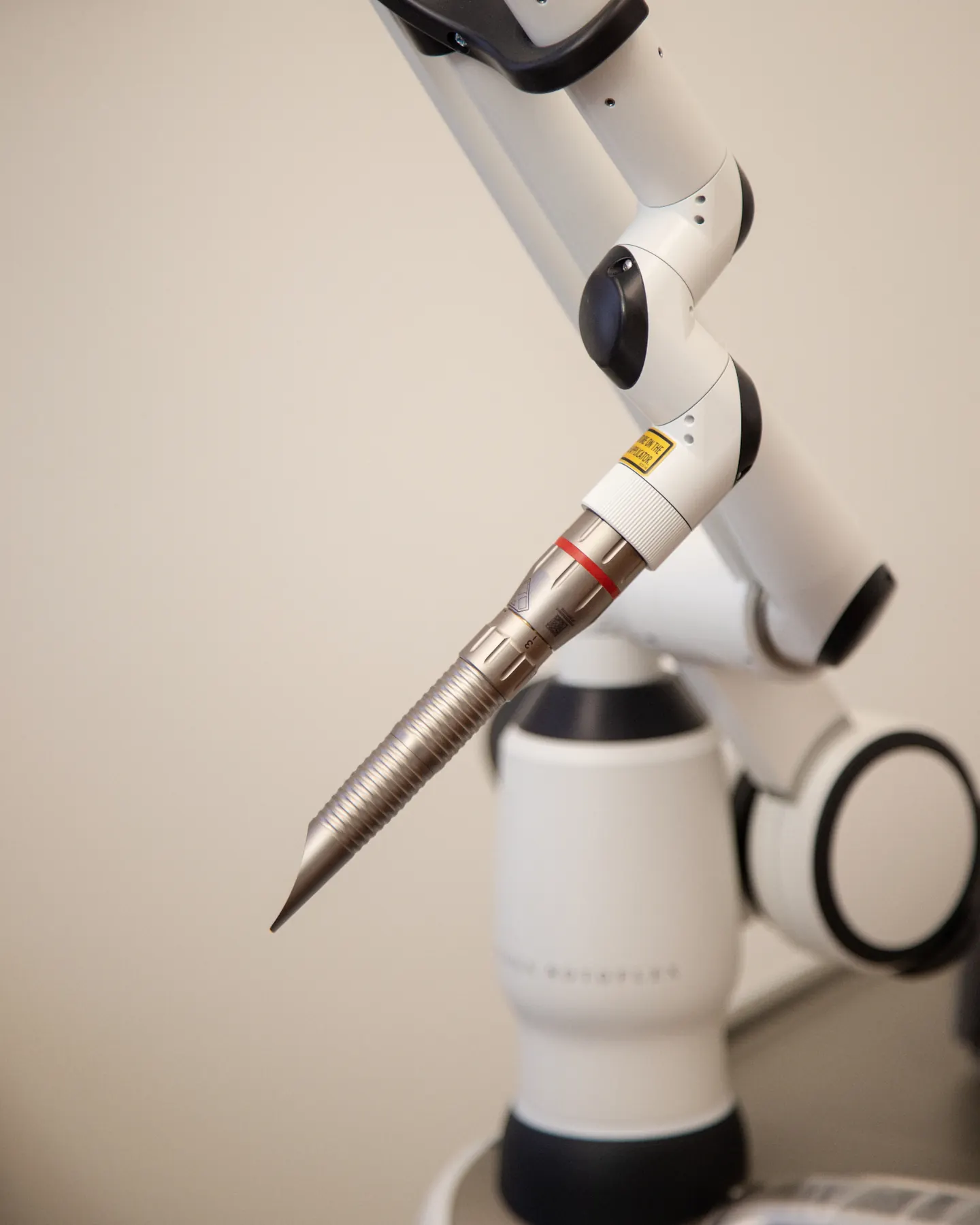
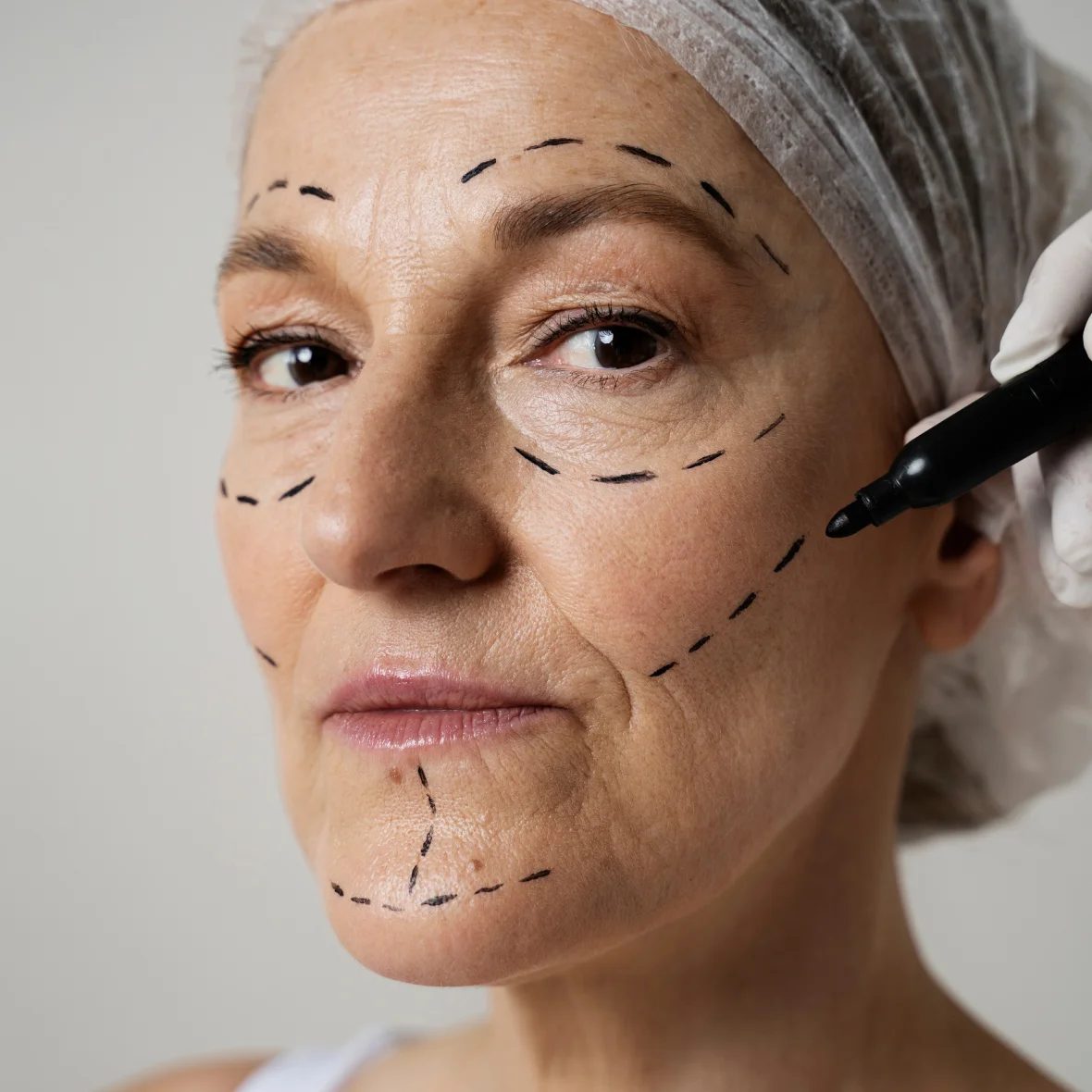
Skin texture rarely changes all at once. More often, it shifts gradually. Pores look a little larger around the nose and inner cheeks. Fine lines hold onto makeup by midafternoon. Tone starts to look uneven, not necessarily from one dramatic issue, but from years of sun, heat, hormones, breakouts, and plain collagen loss. That is usually the point when patients stop asking for a quick glow and start asking better questions. They want smoother skin, more even color, and firmness that looks believable in daylight.
That is where the Fotona 4D Laser Facial (TimeWalker) has earned attention. For patients considering a Fotona 4D Laser Facial (TimeWalker) in Encino, CA, the appeal is not just that it treats the surface. It is that the treatment can address skin quality from multiple angles, often in one appointment, with a plan that can be adjusted based on age, skin behavior, and tolerance for downtime.
The word “4D” can sound promotional until you understand what it refers to in practical terms. It is not one single pass of one laser doing one job. It is a combination approach that treats tissue at different depths and through different modes, including both intraoral and external treatment. That layered method is why it tends to interest people who are not ready for surgery, do not want the “overfilled” look, and care more about texture and tone than dramatic volume changes.
Why texture and tone matter more than many people realize
A lot of people come in thinking they need lift, when what they really need is better skin quality. A face with even tone, smoother texture, and mild firmness often reads as younger than a face with more volume but rougher skin. The eye notices reflection before it notices tiny measurements. When skin reflects light evenly, it looks rested. When it is dull, creased, or unevenly pigmented, it can make the whole face look more fatigued.
This becomes especially obvious in a place like Encino, where sun exposure is part of daily life. Even patients who are disciplined about sunscreen usually have some degree of cumulative UV change. You see it in mottled discoloration across the cheeks, laxity around the mouth, etched lines above the lip, or that slightly crepey quality that develops before true sagging becomes severe. Those concerns are not always best treated with injectables alone. In many cases, the skin itself needs to be coached back into better behavior.
That is one reason the Fotona 4D Laser Facial (TimeWalker) in Encino, CA makes sense for so many treatment plans. It fits patients who want visible improvement but still need to attend work events, school pickups, dinners, or camera-heavy weekends without obvious social downtime.
What makes the Fotona 4D approach different
Traditional resurfacing often asks a patient to choose between lighter treatments with subtle payoff or aggressive treatments with more downtime. Fotona 4D sits in a useful middle ground. It uses Nd:YAG and Er:YAG wavelengths in a staged sequence designed to tighten, stimulate, smooth, and refresh. The exact settings vary, and they should. Good laser work is rarely one-size-fits-all.
One of the most distinctive elements is the intraoral component, where energy is delivered from inside the mouth to heat tissue around the nasolabial folds and perioral area. That matters because the mouth region ages in layers. The skin on top may wrinkle, but deeper support is also changing. Treating from inside and outside can create a more complete response than surface-only polishing.
Patients often describe the result they want in simple language. They want their skin to look “cleaner,” “tighter,” “less tired,” or “more expensive,” even if they never phrase it that way in the room. The strength of TimeWalker-based protocols is that they can be tailored toward those real-world goals rather than chasing a single metric.
A closer look at what happens during treatment
A full Fotona 4D session is typically broken into phases. The sequence and terminology can differ by provider, but the concept remains the same. One stage targets deeper tightening, another addresses volume support around the mouth from the inside, another focuses on superficial imperfections, and another polishes the surface for brightness and refinement.
For the patient, that usually means the appointment feels dynamic rather than repetitive. One portion may feel warm and diffuse, another may create a snapping or prickling sensation, and the final pass may leave the skin feeling noticeably heated. Most people tolerate it well with topical numbing, especially when expectations are set honestly. It is not a nap facial. It is a treatment facial. There is a difference.
Immediately after, the skin is often pink and warm, similar to a moderate sun flush. Some patients have mild swelling, especially around the mouth or under the eyes, depending on settings and anatomy. By the next day, many look perfectly presentable with tinted sunscreen or mineral makeup. A few look mildly windburned for longer. The point is not that everyone bounces back identically. The point is that recovery is usually manageable for people with active schedules.
The kinds of concerns it tends to treat well
The best candidates are often not chasing one severe problem. They are trying to improve several mild to moderate ones at the same time. In practice, that can include early laxity, uneven texture, enlarged pores, fine perioral lines, dullness, and the soft creasing that starts to settle around the cheeks and jawline.
It can also be a smart option for patients who have done peels, radiofrequency, or lighter laser facials and feel they have hit a plateau. Sometimes their skin is healthier than it was a few years ago, but it still lacks crispness. That is when a layered laser treatment can move the needle further.
Where judgment matters is in knowing when not to oversell it. If someone has very deep static wrinkles, heavy lower-face jowling, significant volume loss, or substantial melasma, Fotona 4D may still help, but it may not be the only answer. Good consultation matters here. The right treatment is not always the most sophisticated one. It is the one that fits the biology of the concern.
What results usually look like, and when
Results tend to happen on two timelines. There is the early effect and the structural effect. The early effect is the visible brightness, subtle tightening, and smoother feel that many patients notice within days to a couple of weeks. Skin often looks fresher because heat and gentle resurfacing have improved light reflection.
The structural effect takes longer. Collagen remodeling is not a same-day event. Over several weeks and often over a few months, the skin can continue to firm and refine. This slower phase is part of why patients sometimes like a series. One treatment may make them look Fotona 4D Laser Facial (TimeWalker) Encino, CA better. A series may make them feel that their skin has changed character.
Expectation setting is important. If someone wants a dramatic pull at the jawline, this is not surgery. If someone wants softer smile lines, improved skin smoothness, and a more rested finish to the face, the treatment can be very satisfying. The best outcomes usually look like the patient, just more polished.
Encino patients often ask the same practical questions
Lifestyle affects how people choose treatments in Los Angeles, and Encino is no exception. Patients frequently want to know whether they can return to work, whether they can exercise, whether they can wear makeup the next day, and whether treatment will interfere with social plans.
Those are the right questions. Real life matters more than brochure language.
Most people can resume normal non-strenuous activities quickly. Exercise, saunas, steam rooms, and intense sun are usually paused briefly because heat and friction can prolong redness. Makeup timing depends on how the skin looks after treatment and what level of resurfacing was included. Some people are comfortable in 24 hours. Others do better waiting a bit longer, especially if the skin feels warm or lightly sandpapery.
This is also where seasonality comes in. Fall through early spring tends to be an easy time for many laser treatments because sun intensity is lower and routines are more predictable. That said, patients in Southern California do these treatments year-round. Success depends less on the month and more on discipline with sun protection.
Who tends to be a good candidate
Candidacy is not just about age. I have seen patients in their thirties want this treatment for enlarged pores, post-acne roughness, and early under-eye creasing. I have seen patients in their fifties and sixties choose it because they want skin improvement without surgery and without looking “done.” Motivation matters almost as much as skin type. Patients who do well are usually the ones who understand that refinement is cumulative.
A thoughtful consultation usually reviews several issues at once, including tanning habits, pigment history, cold sore history, prior procedures, active acne, melasma tendencies, current skincare, and how much downtime is realistic. Laser settings that make sense for one patient can be too aggressive or too mild for another.
There are also skin tone considerations. Not every resurfacing strategy suits every complexion equally, and not every patient should be treated with the same intensity. This is where provider experience matters enormously. Parameters, pretreatment, and aftercare all influence safety and outcome.
Where it fits compared with other common options
Patients often compare Fotona 4D with microneedling, RF microneedling, IPL, chemical peels, and more aggressive fractional resurfacing. That comparison is useful because each modality solves a different piece of the puzzle.
Microneedling can improve texture and mild scarring, but it does not always deliver the same degree of tightening or the same polished finish. IPL can brighten pigment and redness effectively in the right patient, but it does not address laxity in the same way. Stronger ablative resurfacing can produce more dramatic change for certain concerns, but at the cost of more recovery and more commitment. Fotona 4D often appeals to patients who want meaningful improvement while keeping downtime in a manageable range.
That does not make it universally better. It makes it strategically useful. The best providers think in combinations and sequencing. Sometimes Fotona 4D is the anchor treatment. Sometimes it is part of a larger plan that includes neuromodulators, conservative filler, pigment correction, or targeted scar work.
What a realistic treatment plan might look like
A common mistake is assuming one session will solve a decade of gradual change. Sometimes a single treatment is enough before an event or as a seasonal refresh. More often, a plan is built over time. A series may be recommended for texture and tone, followed by maintenance once or twice Fotona 4D Laser Facial (TimeWalker) Encino, CA a year depending on skin goals, age, and sun exposure.
A reasonable plan often takes into account:
- The severity of laxity, texture, and pigment
- How much downtime the patient can tolerate
- Whether maintenance skincare is already in place
- History of prior lasers or sensitivity
- Timing around travel, events, and sun exposure
That last point gets underestimated. I have seen excellent candidates delay a treatment by two weeks simply because they had a Palm Springs weekend or a beach-heavy vacation coming up. That is good judgment, not inconvenience. Good outcomes often come from respecting timing.
The role of skincare before and after treatment
Laser treatments perform better when the skin is not irritated going in. Patients who are overusing exfoliating acids, retinoids, benzoyl peroxide, or scrubs often benefit from a brief reset before treatment. Calmer skin handles energy more predictably. After treatment, the routine usually becomes gentler for several days. Think bland cleanser, moisturizer, sunscreen, and not much else until the skin settles.
Sunscreen is not optional here. Patients sometimes spend thousands on procedures and then undermine the result with inconsistent UV protection. Daily broad-spectrum SPF, hats when practical, and honest avoidance of midday sun make a measurable difference in both safety and longevity. If the goal is refined texture and tone, repeated tanning works directly against it.
There is also the issue of heat. Hot yoga, hard exercise, and prolonged outdoor heat can make freshly treated skin stay red longer than necessary. People are often surprised by how much that matters during the first day or two.
What patients tend to appreciate once swelling fades
One thing I hear frequently after the skin has settled is that the face looks “smoother without looking shiny.” That phrase captures something important. A good result is not just brightness. It is better organization of the skin surface. Pores look less obvious because the surrounding tissue is tighter. Fine lines soften because the skin is behaving with more resilience. Makeup sits better because there are fewer tiny breaks in the texture.
Another common comment is that the mouth area looks less etched. That is where the intraoral component often earns its reputation. The area around the lips can be difficult to treat elegantly because it shows age quickly but also shows overtreatment quickly. A treatment that improves support and smoothness there, without adding bulk, appeals to patients who want subtlety.
The value of provider judgment in Encino
When people search for a Fotona 4D Laser Facial (TimeWalker) in Encino, CA, they are often comparing devices and prices. Those factors matter, but they are not the whole story. Laser outcomes depend heavily on assessment, settings, technique, and aftercare instructions. The same platform can produce a polished result in one office and a disappointing one in another if the treatment is rushed or poorly matched to the patient.
A strong provider will spend time looking at the face in motion and at rest. They will ask what bothers the patient in different lighting, whether concern is more about pores or pigment or laxity, and whether prior treatments helped or not. They will also be candid about limits. That honesty is a good sign.
It is worth remembering that “non-surgical” does not mean casual. Skin is an organ. Energy-based treatment deserves planning. The best consultations feel specific, not generic.
When the treatment may need to be paired with something else
Sometimes texture and tone improve, but the patient still feels bothered by volume loss or etched lines that are too deep to soften with energy alone. That does not mean the laser failed. It means facial aging has more than one component.
In those cases, pairing can be the smartest move. A patient might do Fotona 4D for skin quality and a small amount of neuromodulator for dynamic lines. Another may benefit from a conservative filler approach after the skin has improved. Someone with redness or brown spots may need a separate pigment-focused treatment. This is normal. Faces age in layers, so treatment plans often work best in layers too.
The bottom line for refined texture and tone
For patients who want healthier-looking skin rather than a dramatic cosmetic shift, the Fotona 4D Laser Facial (TimeWalker) can occupy a very useful middle ground. It offers more sophistication than a simple glow treatment and less disruption than more aggressive resurfacing. Its strength lies in combination, depth, and adaptability.
In Encino, where sun exposure, schedule demands, and appearance-conscious patients all shape treatment decisions, that balance matters. People want results they can see, but they also want to remain themselves. When properly selected and skillfully performed, Fotona 4D can improve texture, brightness, pore appearance, and early laxity in a way that looks believable up close.
That is often the right goal. Not transformed skin, just skin that looks smoother, stronger, and more even, like it has been given back some of the structure and clarity that time gradually took away.
OMNIA Wellness Center
16430 Ventura Blvd Ste 207, Encino, CA 91436
Phone: +1 818-386-8511
FAQ About Fotona 4D Laser Facial (TimeWalker) Encino, CA
What is a Fotona laser good for?
Fotona lasers support several different aesthetic protocols. The Fotona 4D facial uses two wavelengths and four treatment modes to address concerns such as fine lines, skin texture, and mild laxity. OMNIA Wellness Center offers the TimeWalker facial with an individual consultation. Suitability and likely improvement depend on the person's skin and goals; results are not guaranteed, and this treatment does not reproduce a surgical facelift.
How much does a Fotona laser treatment cost?
The cost depends on the treatment protocol, areas treated, number of sessions, and provider's assessment. Ask OMNIA Wellness Center for a current written quote that explains what is included, whether follow-up is included, and any proposed package terms. An individualized estimate is more useful than assuming that one advertised price applies to every facial treatment.
How much downtime is there after a Fotona laser procedure?
Recovery varies with the specific protocol and intensity. Fotona describes its 4D facial as having little to no downtime, but temporary redness or sensitivity can occur, and a stronger surface treatment can require more recovery. Ask the treating clinician what to expect from the planned settings, how to care for the skin afterward, and when to contact the clinic with concerns.