Column · @josuenhck026
Fotona 4D Laser Facial (TimeWalker) in Encino, CA for a Lifted, Youthful Look
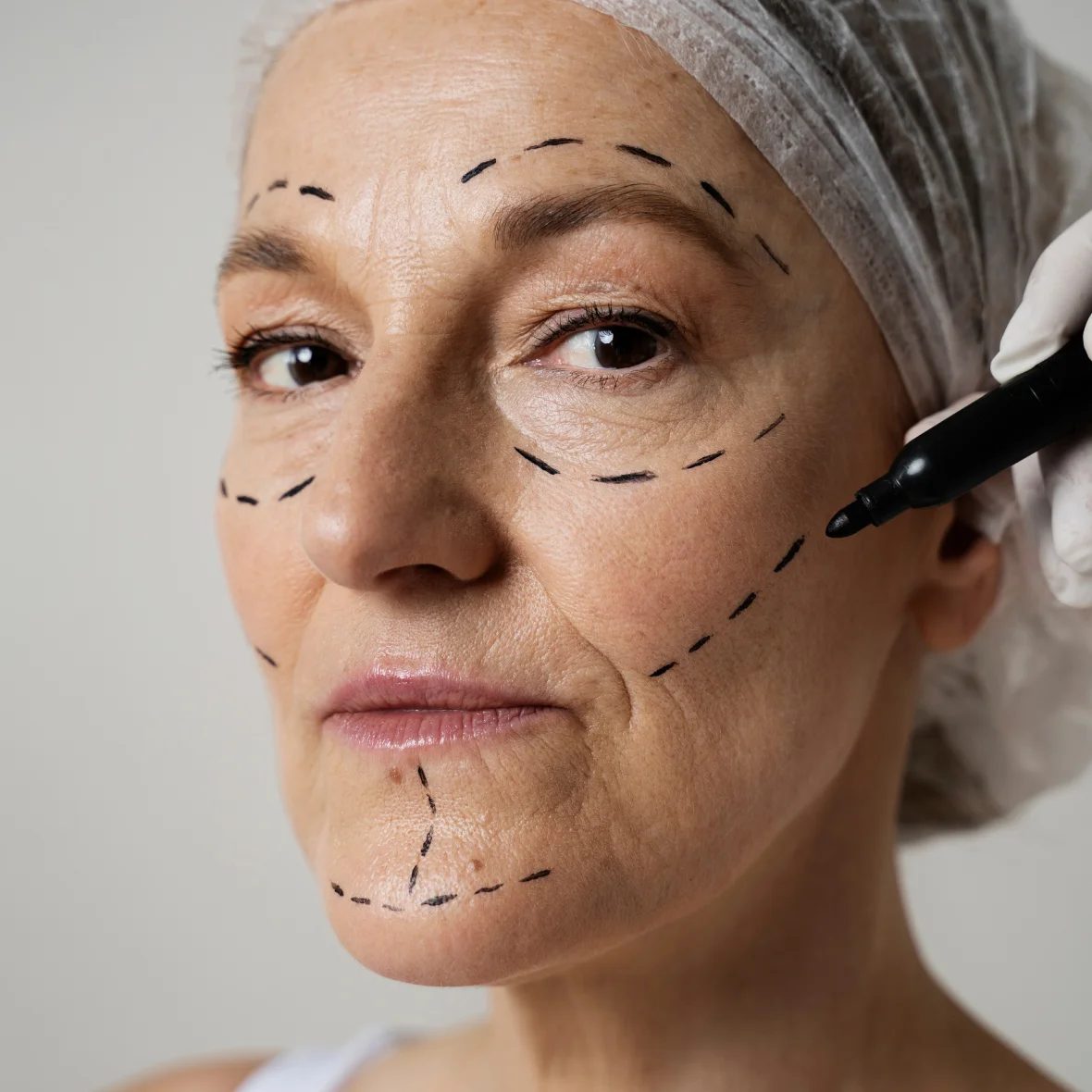
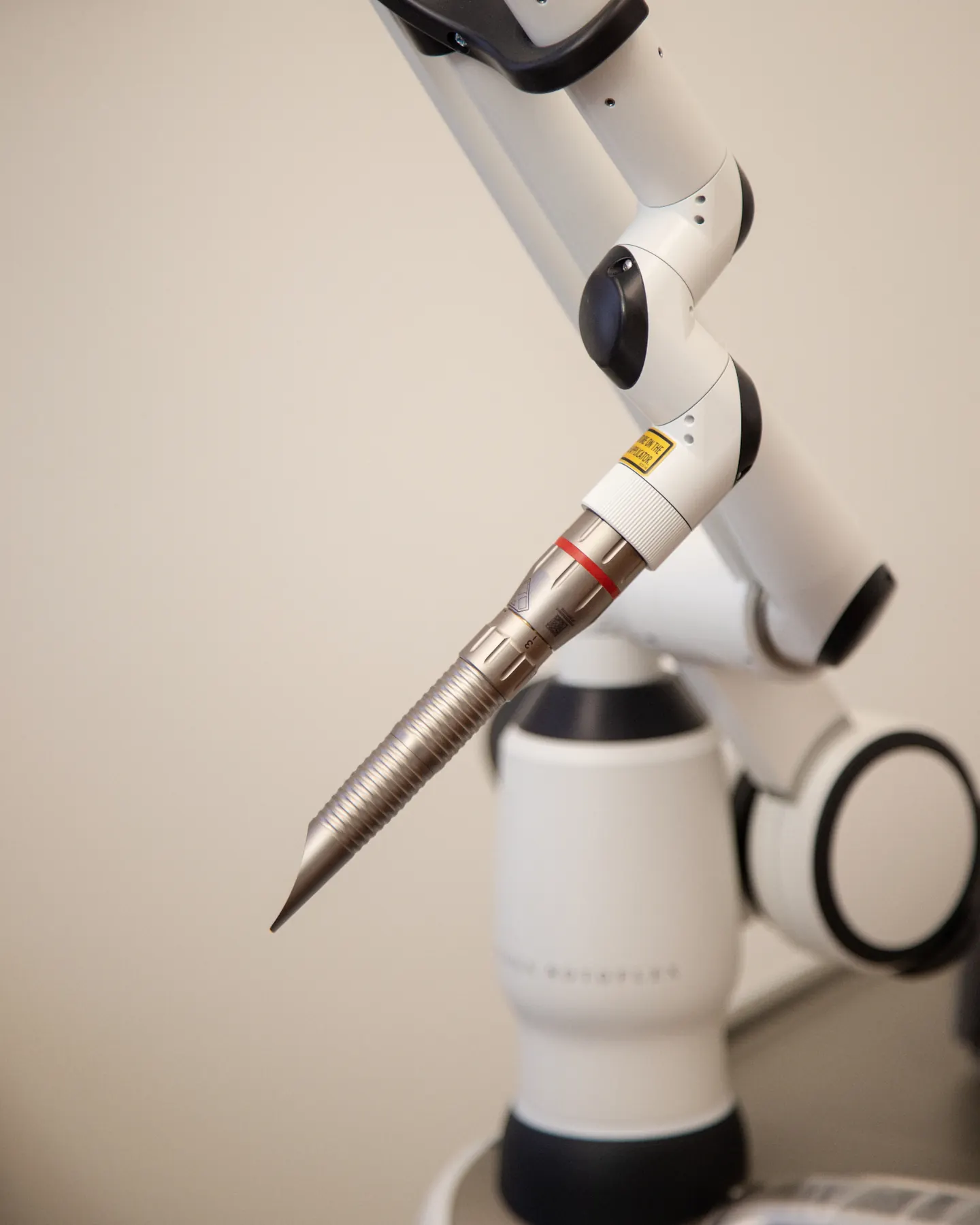
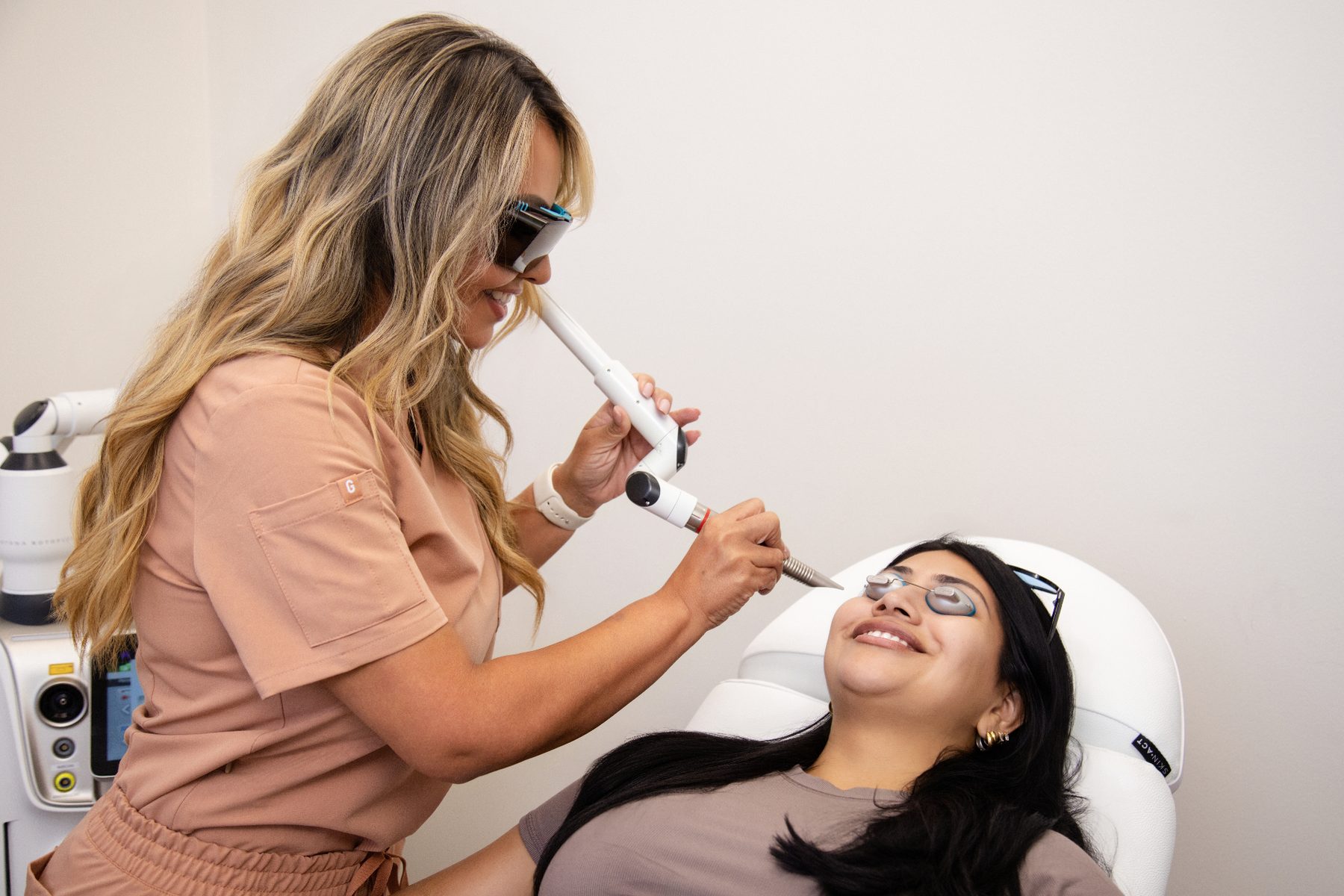
A great facial treatment does not just make skin look brighter for a weekend. It changes the way the face carries light, the way the cheeks reflect firmness, and the way the skin feels when you wash it at night. That distinction matters when people ask about the Fotona 4D Laser Facial (TimeWalker) in Encino, CA. They are usually not asking for a quick glow alone. They want tightening without surgery, smoother texture without a long recovery, and a fresher look that still feels like their own face.
That is where this treatment stands apart. Fotona 4D is designed as a layered laser rejuvenation procedure that treats different depths of tissue, both inside the mouth and across the outer skin. The goal is not a frozen or overfilled appearance. It is a more rested contour, softer lines, firmer support, and improved skin quality. In practice, that combination is what makes it appealing to patients who are not ready for a facelift, do not want injectables to do all the work, or simply prefer a more energy-based approach to aging skin.
In Encino, where patients often balance professional visibility, social events, sun exposure, and busy schedules, this kind of treatment fits a very real need. People want improvement they can see, but they also want to be back to work, school pickup, lunch meetings, and errands quickly. A treatment that targets laxity, crepiness, dullness, and fine lines in one session naturally gets attention.
What Fotona 4D actually is
The name can sound more technical than it needs to be. At its core, Fotona 4D is a multi-step laser facial that uses two wavelengths, Er:YAG and Nd:YAG, delivered in four treatment modes. The “4D” refers to those four dimensions of treatment, meaning the procedure works at several tissue levels rather than only skimming the skin surface.
One of the most distinctive features is the intraoral component. That means part of the treatment is performed inside the mouth, usually along the cheeks and around the perioral area, to stimulate tightening from within. This is a clever approach for patients bothered by softening in the lower face, nasolabial folds, marionette lines, or early jowling. It addresses support in a way topical products cannot.
The external steps then build on that by targeting deeper collagen remodeling, superficial texture, and overall skin quality. Depending on the practitioner’s settings and your needs, the treatment can help with:
- mild to moderate skin laxity
- fine lines around the mouth and eyes
- dull or uneven texture
- enlarged pores
- early signs of volume descent in the midface and jawline
What makes the TimeWalker platform notable is that it packages these technologies in a way that allows a customized, layered treatment plan. Not every patient needs the exact same energy or focus. Someone in their late 30s with early cheek laxity and post-summer skin roughness will be treated differently from someone in their late 50s with more advanced lower-face softening and etched lines.
Why patients in Encino ask for it
Encino is not a market where people want obvious work. Most want to look healthy, polished, and slightly lifted, not “done.” That preference shapes demand for treatments like Fotona 4D.
There is also the California factor. Years of UV exposure show up as texture changes, pigment irregularity, and collagen loss, even in people who have been fairly diligent about sunscreen. Add stress, sleep disruption, weight fluctuations, and normal age-related volume shifts, and the face begins to lose crispness. The skin may still be good, but the architecture underneath starts to soften.
Patients often describe it in very plain language. They say their face looks tired even when they feel fine. Makeup settles around the mouth. The jawline looks less defined in photos. The skin does not bounce back the way it used to. They are not always asking for dramatic tightening. Often, they want to reverse that slow slide before it becomes more pronounced.
A Fotona 4D Laser Facial (TimeWalker) in Encino, CA appeals to that group because it can Fotona 4D Laser Facial (TimeWalker) Encino, CA omniawellnesscenterencino.com bridge the space between skincare and surgery. It is not a facelift, and it should never be sold as one. But it can create meaningful refinement, particularly for patients with mild to moderate signs of aging who still have decent tissue support.
The four layers of the treatment
Understanding the treatment is easier when you think of it as four coordinated passes rather than one generic laser session.
The first step usually targets the inside of the cheeks and mouth. This is often the part that surprises new patients, but it is also one of the reasons the treatment can produce such a distinctive soft lift. By heating tissue intraorally, the laser encourages collagen contraction and remodeling in areas that contribute to lower-face heaviness and fold formation.
The second phase typically uses a deeper mode externally to stimulate collagen and improve firmness. This is where the treatment begins to address skin laxity from the outside. It is less about peeling and more about structural support.
The third layer often focuses on fractional resurfacing or targeted refinement. That helps improve texture, superficial lines, and a rough or tired skin surface. If someone has that paper-thin creasing around the mouth, this stage tends to matter quite a bit.
The final step is commonly a light polishing pass that smooths and brightens the skin. Patients often notice this “finish” within days because it gives the complexion a fresher quality, even before collagen remodeling has fully developed.
From a clinical standpoint, that sequence is why Fotona 4D is versatile. It can tighten, smooth, and refresh in one appointment, but the relative emphasis can be shifted depending on the face in front of the practitioner.
What the treatment feels like
Patients usually want the practical answer first, not the physics. Does it hurt? How red will I be? Can I drive myself home?
Most people tolerate Fotona 4D quite well. The intraoral pass feels unusual more than painful, with a warm sensation inside the cheeks. The external steps vary depending on settings, skin sensitivity, and whether a stronger resurfacing component is used. In general, patients describe the treatment as warm, prickly, and intense in certain areas, especially around the mouth or closer to the bone.
Topical numbing may be used, but some treatment settings do not require much preparation. Afterward, the skin is often pink to red, similar to a moderate sun exposure. Some swelling can occur, particularly around the midface or lower face. A rough, dry, sandpapery feel over the next several days is common when resurfacing is part of the session.
Many patients return to normal activities quickly, but “no downtime” can be misleading. Social downtime and medical downtime are not the same thing. Fotona 4D Laser Facial (TimeWalker) Encino, CA You may be medically fine to resume routine activities right away, yet still prefer a day or two before a close-up event or photo-heavy gathering.
That distinction is worth discussing honestly during consultation, especially in a place like Encino where people often schedule treatments around presentations, weddings, filming, or family milestones.
Who tends to get the best results
The best candidates are usually patients with early to moderate aging changes who want tightening and rejuvenation without surgery. Skin quality matters. Expectations matter more.
This treatment tends to shine in a few scenarios. A patient in their 40s who sees the beginning of lower-face softening often does very well. So does someone in their 50s who wants texture improvement, fine-line reduction, and a visible but natural lift. It can also be a strong maintenance treatment for patients who have done other procedures and want to preserve their results.
It is less ideal if someone has significant skin redundancy and expects a laser to produce a facelift-level correction. In that setting, even a well-done treatment may feel underwhelming because the issue is not just collagen quality. It is the degree of structural descent.
Patients with very reactive skin, active infections, certain pigment disorders, or recent tanning may need modified settings, postponement, or an alternate approach. This is where experience matters. A good provider is not just asking what bothers you. They are assessing whether the tissue can respond well, how aggressive the treatment should be, and whether the timing is smart.
Results, timing, and what “lifted” really means
One of the more common misunderstandings with energy-based facial rejuvenation is the timeline. Some improvement can show up quickly, particularly in brightness and smoothness. But the more meaningful changes, firmness, subtle lifting, and refined texture, typically build over time as collagen remodeling develops.
Patients often notice early changes in the first one to two weeks. The skin may feel tighter, makeup may sit better, and the face can look fresher. More structural improvement often unfolds over the next two to three months. That delayed payoff is normal.
The word “lifted” also needs context. A good result usually looks like slightly better cheek support, softer lower-face heaviness, more definition through the jawline, and less creasing around the mouth. It should not look abrupt or overcorrected. Friends may say you look rested or ask whether you changed your skincare, not whether you had work done.
That subtlety is exactly why many patients like the treatment. It improves the face in a way that still reads as believable.
How many sessions are usually needed
Some patients are pleased after one treatment, especially if the concern is mild and the goal is refreshment with modest tightening. Others benefit from a series, often spaced several weeks apart, to build a stronger collagen response.
Treatment planning depends on age, baseline laxity, skin thickness, sun damage, and budget. Someone with minimal laxity but visible textural aging may prioritize resurfacing benefit and need fewer sessions. Another person with more diffuse collagen loss may do better with a series and occasional maintenance.
A reasonable consultation should cover both the ideal plan and the realistic plan. Not every patient wants a package of multiple sessions right away. Sometimes the best approach is to start with one treatment, evaluate tissue response, and decide whether more is worthwhile.
That kind of judgment tends to produce happier patients than overselling a fixed number before seeing how the skin behaves.
What recovery looks like day by day
For many patients, the first 24 hours bring redness and warmth. The skin may feel tight, slightly swollen, or flushed. By day two or three, there can be dryness, roughness, and a bronzed or textured look depending on treatment intensity. Around days three to five, the surface often feels coarser before it smooths out. After that, the complexion generally starts to look clearer and more even.
The lower face can occasionally feel tender, especially if stronger tightening settings were used. Inside the mouth, a mild sense of warmth or irritation may linger briefly, though it usually resolves quickly.
Most patients appreciate having a few simple guidelines:
- keep the skin moisturized
- avoid heat exposure, strenuous workouts, and direct sun for the first couple of days
- use gentle skincare until the surface has settled
- wear broad-spectrum sunscreen diligently
- do not pick or scrub flaking skin
That last point matters. Patients who get impatient with rough texture and start exfoliating too early tend to prolong irritation.
Combining Fotona 4D with other treatments
This is where nuanced planning becomes important. Fotona 4D can stand alone, but it also pairs well with other aesthetic treatments when done thoughtfully.
For instance, if a patient has skin laxity and volume loss, laser tightening may improve the envelope of the skin while filler restores support in specific areas. If dynamic lines from muscle movement are a major factor, neuromodulators may still be appropriate. If pigment is the dominant issue, another laser or light-based treatment may address brown spots more directly.
That does not mean everyone needs a combined plan. It means aging is multi-factorial. A laser can improve collagen and texture, but it does not replace every other tool. The best providers explain this clearly, not as an upsell, but as a matter of matching treatment to anatomy.
There is also a timing issue. Stacking treatments too aggressively can irritate the skin or blur the source of any reaction. A disciplined plan usually spaces things out so healing remains predictable.
Why provider judgment matters more than brand names
Patients often shop by technology first. That is understandable. Devices like TimeWalker have strong name recognition, and for good reason. But outcomes depend just as much on the person operating the device.
Laser settings are not one-size-fits-all. Skin tone, sensitivity, age, degree of laxity, prior treatments, sun exposure habits, and medical history all shape how a practitioner should proceed. Even among patients who seem similar on paper, tissue response can vary considerably.
An experienced provider will also know when not to push energy too high. More aggressive is not always better. Overtreatment can prolong redness, increase irritation, and create disappointment if recovery exceeds what the patient expected. Under-treatment, on the other hand, can leave little meaningful change. Finding the right middle ground is where real expertise shows.
Consultations should feel specific. If the plan sounds generic, the result often is.
Questions worth asking at a consultation
A good consultation should leave you with a clearer sense of fit, not just excitement. Patients sometimes focus only on price or how soon they can book, but a few practical questions reveal far more about whether the treatment is being recommended thoughtfully.
You may want to ask:
- what signs of aging in my face is this treatment best suited for
- how much downtime should I realistically expect based on the settings you use
- would one session be enough for my goals, or am I likely to need a series
- how does this compare with other options for my particular concerns
- what results would be realistic for me, specifically
The answers should sound measured. Be cautious of promises that feel absolute, especially around dramatic lifting or guaranteed outcomes.
Cost and value in real terms
Pricing for a Fotona 4D Laser Facial (TimeWalker) in Encino, CA can vary based on the provider, the scope of treatment, the area covered, and whether the procedure is done as a one-time session or part of a package. Costs also reflect clinical expertise, not just machine time.
Patients often ask whether it is “worth it.” That depends on what you are comparing it to. If your concern is mainly early laxity, texture, and perioral aging, a well-executed Fotona 4D treatment can offer more meaningful change than a routine facial and more natural contour refinement than chasing every issue with filler alone. If your concern is advanced sagging, the value may be lower if your expectations are closer to surgical lifting.
The best way to judge value is to look at fit. The right treatment at the right stage of aging almost always feels worthwhile. The wrong treatment, even if technically excellent, rarely does.
The role of maintenance
Collagen stimulation is not permanent because aging is not static. Sun exposure continues. Gravity continues. Hormonal shifts continue. Skin keeps changing.
That is why maintenance matters. Some patients repeat Fotona 4D periodically to preserve firmness and skin quality. Others rotate it with other treatments depending on the season, their skin condition, and life events. Someone who spends a lot of time outdoors in Southern California may need a different maintenance rhythm than someone with less cumulative sun exposure.
This is another place where realistic expectations lead to better satisfaction. Think of treatment as a way to improve trajectory, not stop time. Better collagen support now often means a better-looking baseline later.
What makes the result look natural
Natural-looking rejuvenation usually comes from respecting the difference between support and exaggeration. Fotona 4D works by improving the skin and underlying tissue response, not by adding volume indiscriminately or changing expression.
That is why it can be so appealing for patients who want to look like themselves on a very good month. The skin reflects light more evenly. The lower face appears a little cleaner. Fine lines soften. The mouth area often looks less tired. None of those changes need to be dramatic to be meaningful.
Often, the strongest results are noticed in photos taken six to eight weeks later. The patient is not making a “before and after face.” They are just standing there, and the face looks more coherent, a little tighter, and more awake. That is usually the point.
A sensible way to think about this treatment
If you are considering a Fotona 4D Laser Facial (TimeWalker) in Encino, CA, it helps to think about your goals in plain terms. Do you want brighter skin for an event, or are you looking for collagen-based improvement? Are you bothered more by texture, or by the feeling that the face has begun to descend? Do you want one treatment with subtle impact, or a series with more cumulative change?
The treatment is strongest when used for the person it suits best: someone who wants non-surgical rejuvenation, values natural results, understands that collagen takes time, and is willing to maintain healthy skin afterward. When those pieces line up, Fotona 4D can deliver exactly what many patients are looking for, a fresher face, better skin quality, and a lifted, youthful look that does not announce itself.
OMNIA Wellness Center
16430 Ventura Blvd Ste 207, Encino, CA 91436
Phone: +1 818-386-8511
FAQ About Fotona 4D Laser Facial (TimeWalker) Encino, CA
What is a Fotona laser good for?
Fotona lasers support several different aesthetic protocols. The Fotona 4D facial uses two wavelengths and four treatment modes to address concerns such as fine lines, skin texture, and mild laxity. OMNIA Wellness Center offers the TimeWalker facial with an individual consultation. Suitability and likely improvement depend on the person's skin and goals; results are not guaranteed, and this treatment does not reproduce a surgical facelift.
How much does a Fotona laser treatment cost?
The cost depends on the treatment protocol, areas treated, number of sessions, and provider's assessment. Ask OMNIA Wellness Center for a current written quote that explains what is included, whether follow-up is included, and any proposed package terms. An individualized estimate is more useful than assuming that one advertised price applies to every facial treatment.
How much downtime is there after a Fotona laser procedure?
Recovery varies with the specific protocol and intensity. Fotona describes its 4D facial as having little to no downtime, but temporary redness or sensitivity can occur, and a stronger surface treatment can require more recovery. Ask the treating clinician what to expect from the planned settings, how to care for the skin afterward, and when to contact the clinic with concerns.