Column · @josuenhck026
Fotona 4D Laser Facial (TimeWalker) for a Lifted, Refined Look
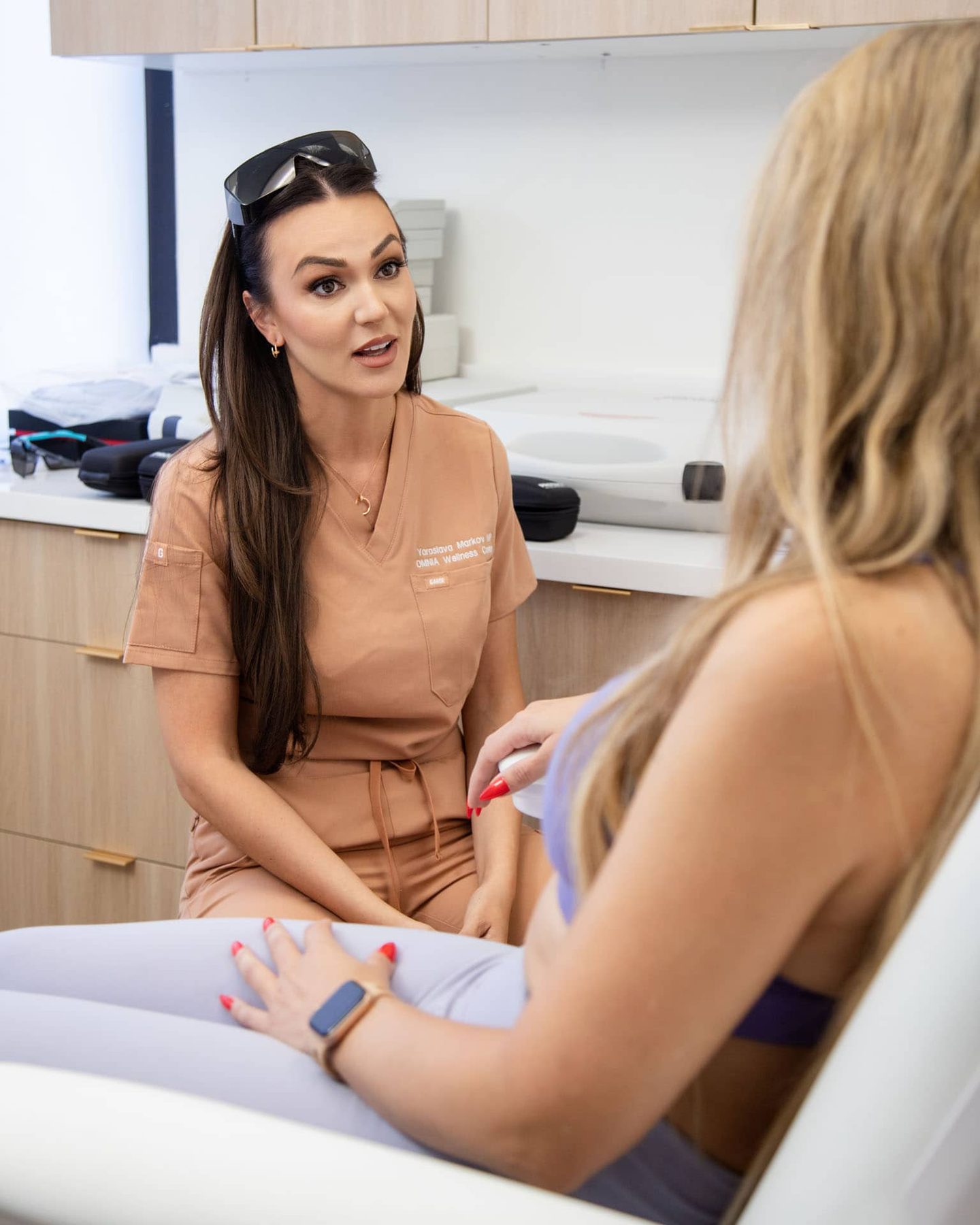
The appeal of non-surgical skin tightening is easy to understand. Many people want a fresher, more rested face, but they are not ready for injectables, surgery, or weeks of downtime. They want better tone along the jawline, smoother texture around the mouth, less creasing under the eyes, and a general sense that the face looks firmer and more polished. That is exactly where the Fotona 4D Laser Facial (TimeWalker) tends to enter the conversation.
What makes this treatment interesting is not one single dramatic trick. It is the layered way it addresses the face. Rather than working only from the surface, it combines intraoral treatment, deeper collagen stimulation, targeted resurfacing, and a final polishing pass. In practice, that means the treatment can affect laxity, fine lines, enlarged pores, rough texture, and mild volume loss in a way that feels more comprehensive than a basic laser facial.
That said, it helps to approach Fotona 4D with realistic expectations. This is not a facelift in disguise. It is a collagen-focused rejuvenation treatment that can create a lifted, tighter, better-defined look in the right patient. The best results are often subtle but meaningful. Friends may not ask what you had done, but they may say you look well, less tired, or somehow sharper through the mid-face and lower face.
What Fotona 4D actually is
Fotona 4D refers to a sequence of laser modes, typically using erbium:YAG and Nd:YAG wavelengths, delivered in four distinct steps. Brands and protocols can vary slightly by clinic, especially when the TimeWalker platform is involved, but the general concept remains the same. The treatment is designed to work at different tissue depths and from different angles, including inside the mouth.
That intraoral step surprises many first-time patients. A handpiece is used along the inside of the cheeks to heat tissue and stimulate collagen in the area that supports the nasolabial folds and lower cheek. It sounds more dramatic than it feels. Most patients describe it as odd rather than painful, with a warm snapping sensation and pressure. This internal approach is one reason the treatment has such a distinctive reputation. It is trying to tighten where structural support matters, not just skim the surface of the skin.
After that, the external steps usually move through deeper bulk heating, fractional resurfacing, and a light finishing pass. Depending on the settings, skin type, and treatment goals, one patient may get a stronger textural correction while another gets a more conservative session focused on firming and radiance.
The TimeWalker platform matters here because it is built around controlled pulse delivery and protocol flexibility. In experienced hands, that flexibility is useful. The practitioner can lean more heavily into perioral lines, early jowling, under-eye crepiness, acne scarring, or diffuse skin quality concerns. The machine is important, but the operator’s judgment is what determines whether the treatment feels generic or truly customized.
Why people seek it out
A lot of aesthetic treatments are easy to categorize. Fillers add volume. Neurotoxins soften muscle movement. Microneedling targets texture. Fotona 4D sits in a more nuanced position. It is often chosen by people who are starting to see sagging and surface change at the same time.
The classic candidate is someone in their late 30s to 60s who notices that the face is not as crisp as it once was. Makeup catches around the mouth. The under-eye area looks thinner and slightly creased. Smile lines seem more etched, even when the face is at rest. The jawline is still present, but not sharply defined. These changes are usually not severe enough to justify surgery, yet they are visible enough that skincare alone no longer feels like enough.
There is also a second group that tends to do well: patients who already look youthful but want maintenance. They are not trying to reverse major aging. They are trying to preserve bounce, density, and skin clarity. For them, Fotona 4D can act as a strategic collagen maintenance treatment, especially when spaced through the year.
The “lifted” look, explained honestly
Marketing language around skin tightening can get slippery fast. A “lift” from a laser is not the same as a surgical lift. The tissue is not physically repositioned. What changes is tone, collagen density, and skin contraction. When those improve, the face can look more elevated and defined.
In practical terms, patients often notice that the cheeks seem slightly more supported, the lower face looks less heavy, and the skin around the mouth appears tighter. Fine crinkling can soften. Pores can look smaller. Light reflects more evenly off the skin. On video calls, this often translates well because the face reads as smoother and firmer, especially in frontal lighting.
The refined look comes partly from texture changes. Even a modest improvement in roughness, enlarged pores, or fine line etching can make the whole face appear more expensive, for lack of a better word. Skin that looks compact and even usually reads as younger, even before anyone pinpoints why.
This is one of the treatment’s strengths. It does not rely on volume expansion the way filler does. For patients who dislike the puffier, overfilled look, Fotona 4D can be attractive because it aims for tension and quality rather than bulk.
What a treatment session feels like
The best way to describe a well-run session is controlled heat with moments of sharper sensation. It is not spa-facial relaxing, but it is usually tolerable. Comfort depends on settings, anatomy, and the patient’s pain threshold.
The intraoral phase feels warm, close, and slightly awkward, particularly the first time. Then the deeper external passes can feel like a series of heated snaps. Fractional resurfacing often brings the most stinging, especially around the upper lip and under the eyes where skin is thin. The finishing pass is generally easier.
Clinics vary in how they manage comfort. Some use topical anesthetic for selected stages, some rely on cooling, and some adjust energy more conservatively for first-time patients. That matters, because there is a practical trade-off between intensity and downtime. A more assertive resurfacing component may improve texture more noticeably, but it can also leave you redder and rougher for longer.
A typical appointment may last anywhere from 45 minutes to 90 minutes depending on whether the neck is included, how many passes are done, and whether numbing time is needed. If someone tells you it is always a quick lunch-hour treatment with no recovery at all, that is too simplistic. Some people leave merely pink. Others look sunburned for a couple of days and feel dry or gritty for nearly a week.
Downtime is usually modest, but not zero
This is one of the most important points to discuss before booking. Fotona 4D is often described as low downtime, and compared with more aggressive ablative resurfacing, that is fair. Still, low downtime is not no downtime.
Right after treatment, the skin is commonly pink to red and warm. Mild swelling, especially around the cheeks and under-eye area, is possible for 24 to 72 hours. The resurfacing stage can leave a fine roughness, sometimes described as a sandpapery texture, while the skin renews. Makeup can usually be resumed soon, depending on the exact settings used and the clinic’s aftercare instructions, but some patients prefer to stay bare-faced for a day or two because the skin looks flushed and feels sensitized.
The people happiest with recovery are often those who plan realistically. If you have an important event, wedding, or professional photo session, do not test this treatment for the first time the day before. A lead time of at least one to two weeks is far more sensible, and longer if your skin tends to react dramatically.
Who tends to get the best results
Patient selection matters more than most marketing pages admit. Fotona 4D works best for mild to moderate laxity and early to moderate textural aging. If the main issue is heavy jowling, significant skin redundancy, or a markedly descended lower face, a laser alone is unlikely to create the level of change the patient is hoping for.
It can also be useful for smokers’ lines around the mouth, mild acne scarring, crepey under-eye texture, and that general thinning look that develops when the skin loses spring. Results are often strongest in patients with realistic expectations and a willingness to treat in a series.
A few factors often predict a better experience:
- Mild to moderate laxity rather than severe sagging
- Interest in gradual improvement, not one-time transformation
- Commitment to sun protection and sensible aftercare
- Healthy skin barrier with no active infection or major irritation
- A provider who understands both facial anatomy and laser settings
On the other hand, people with melasma, very reactive skin, or a history of post-inflammatory pigment changes need careful assessment. Those conditions do not always rule treatment out, but they absolutely affect settings and planning.
How many sessions are usually needed
This depends on the starting point and the treatment intensity. A single session can give a nice boost, especially before an event or as maintenance, but most true rejuvenation plans involve a series. Three sessions spaced several weeks apart is a common recommendation in practice, though not every face needs that exact schedule.
Collagen remodeling is not instant. Some people notice early tightening or glow within days to a couple of weeks, particularly from swelling and surface smoothing. The deeper structural effect usually unfolds more gradually over two to three months as new collagen forms. This delayed payoff is worth emphasizing because patients often judge the treatment too early.
The result can last for months, sometimes longer, but maintenance is part of the equation. Aging continues. Sun exposure continues unless you are unusually disciplined. Weight fluctuations, sleep quality, stress, and hormones all affect the face. The laser can improve the canvas, but it does not freeze time.
How it compares with other popular treatments
Patients often ask whether Fotona 4D is “better” than microneedling radiofrequency, traditional fractional lasers, ultrasound tightening, or injectables. Better is the wrong word. More appropriate is usually the right one.
Microneedling radiofrequency often excels when skin laxity and acne scarring are both concerns, especially in patients who want a non-surgical tightening option without the same type of laser resurfacing. Fractional ablative lasers can produce stronger textural change, but with more downtime. Ultrasound-based treatments can target deeper support layers, but they do not polish the skin surface the way a multi-step laser treatment can. Fillers restore volume, but they do not improve the skin itself in the same way.
This is where Fotona 4D has a practical advantage. It can sit in the middle ground between “I want more than a facial” and “I am not ready for aggressive downtime.” For the right face, that middle ground is valuable.
The under-eye and around-the-mouth sweet spot
Two areas often respond especially well when treated thoughtfully: the under-eyes and the perioral region. These zones show age early because the skin is thinner and more mobile. They are also hard to improve with skincare alone.
Under the eyes, the goal is usually not dramatic tightening. It is refinement. Less crepiness, a smoother transition when concealer goes on, and a slight increase in skin density. Around the mouth, the treatment Fotona 4D Laser Facial (TimeWalker) may soften etched lines and improve the lip-adjacent skin so lipstick feathers less and the whole area looks less tired.
These are subtle gains, but they matter in daily life. A patient may not measure them in millimeters. She notices them when foundation sits better, when zoom lighting is less punishing, or when she stops pulling her skin taut in the mirror to see how she used to look.
Risks, limitations, and the importance of operator skill
Lasers reward precision and punish casual use. Even a well-established treatment like the Fotona 4D Laser Facial (TimeWalker) depends heavily on the person performing it. Energy settings, number of passes, skin preparation, patient selection, and aftercare all influence the outcome.
The most common issues are short-term redness, swelling, sensitivity, and dryness. Less commonly, patients can experience prolonged irritation, acne flare, cold sore reactivation if prone, or pigment changes. Anyone with a history of melasma or hyperpigmentation should raise that early in the consultation, not as an afterthought on treatment day.
There is also the limitation of anatomy. If volume loss is the main problem, tightening alone may not be enough. If skin excess is significant, surgery may remain the more honest answer. A good practitioner says that out loud. One of the healthiest signs in a consultation is hearing, “This will help, but only to a point.”
Practical preparation and aftercare
Preparation is not glamorous, but it affects results. Arrive with a calm skin barrier. If you have been overusing exfoliating acids, retinoids, or strong actives, you may need a pause beforehand. Active breakouts, rashes, or cold sores should be disclosed in advance. Sunburned skin is an obvious no.
After treatment, the skin usually wants bland, supportive care. That means gentle cleansing, moisturizer, strict sun protection, and patience. It is not the time to chase brightness with acids or scrub away roughness. Let the skin move through its repair cycle.
A few practical aftercare habits make recovery smoother:
- Use a gentle cleanser and a simple moisturizer for several days
- Wear broad-spectrum sunscreen diligently, even on cloudy days
- Avoid heat exposure, hard workouts, and steam if your provider advises it for the first day or two
- Pause strong exfoliants and retinoids until the skin feels settled
- Resist picking or rubbing flaking skin
Patients who ignore aftercare are often the ones who complain that their skin stayed angry longer than expected.
Is it worth the investment?
That depends on what you value. If you want one treatment that addresses tone, texture, fine lines, and mild laxity in a fairly elegant way, many people find it worth it. If you want dramatic lifting in a single session, it is less likely to feel satisfying. If your budget is limited and your main concern is one isolated issue, a more targeted treatment may be smarter.
The patients who describe the best value are often those who appreciate cumulative change. They are not looking for a shocking before-and-after. They want their skin to look healthier, tighter, and more refined over time. They tend to be the same people who understand that facial rejuvenation works best when treatments are chosen strategically rather than stacked impulsively.
One practical note from experience: the consultation is where much of the value is determined. Ask what part of the four-step protocol will be emphasized for your face and why. Ask what downtime the clinic actually sees in its own patients. Ask whether your goal is better served by one session, a series, or a different modality entirely. The answers should sound specific, not rehearsed.
The final read on a refined, lifted result
There is a reason Fotona 4D has stayed relevant while so many aesthetic trends come and go. It addresses the face in layers, and the face ages in layers. That makes sense clinically and visually. When performed well, it can tighten mildly lax skin, smooth delicate creases, improve pore appearance, and bring back a more rested contour without making the face look done.
Its strongest selling point is not that it can mimic surgery. It cannot. Its strength is that it can make the face look subtly re-supported and more polished while preserving natural expression. For many patients, that is the sweet spot. They do not want to look different. They want to look like themselves on a very good day, with better light, firmer skin, and a cleaner outline through the areas that tend to soften first.
For that goal, the Fotona 4D Laser Facial (TimeWalker) is a serious option, provided it is matched to the right face, the right expectations, and the right hands.
OMNIA Wellness Center
Address: 16430 Ventura Blvd Ste 207, Encino, CA 91436
Phone: (818) 386-8511
FAQ About Fotona 4D Laser Facial (TimeWalker)
What are the benefits of Fotona laser treatment?
OMNIA offers this treatment for concerns such as uneven texture, dull tone, and fine lines. Results and the number of sessions vary, so discuss your goals with a provider.
Is Fotona laser safe?
A qualified provider should review your skin, medical history, medications, and recent sun exposure to determine whether the treatment is appropriate. Ask about possible irritation, pigment changes, and aftercare before booking.
How much does a Fotona 4D facelift cost?
Price depends on the treatment plan and number of visits. Ask OMNIA for an itemized estimate during your consultation.